
OCR for Historical Documents: Evaluating Effectiveness and Limitations
Explore the advancements and challenges of OCR technology in the preservation of historical documents. Learn what works, what doesn't, and how it impacts archival digitization.

Introduction
Optical Character Recognition (OCR) has transformed the way archivists approach the digitization of historical documents. From handwritten letters to printed manuscripts, OCR technology enables the scanning of text and its conversion into machine-readable formats. However, while the technology has seen substantial advancements, challenges remain. This article delves into what works in OCR for historical documents and what still poses significant hurdles.
The Evolution of OCR
Initially developed in the 1920s, OCR technology has evolved from recognizing simple block letters to interpreting intricate scripts. Early OCR systems were limited to specific fonts and formats, often struggling with varied handwriting styles or imperfections in the original documents. Today, advancements in machine learning and artificial intelligence are enhancing the ability of OCR systems to decode complex texts.
What Works: Advances in OCR Technology
- Machine Learning Improvements: Modern OCR systems leverage deep learning algorithms, allowing for better accuracy in recognizing characters, even in challenging conditions. These systems can be trained on a diverse range of historical documents, improving their ability to interpret various fonts and handwriting styles.
- Multi-language Support: Many contemporary OCR solutions now offer support for multiple languages and dialects, making them suitable for archives with diverse linguistic collections.
- Integration with AI Tools: The combination of OCR with AI tools allows for enhanced data extraction capabilities. For instance, AI can assist in contextually interpreting words, improving the overall accuracy of transcription.
- Accessibility Enhancements: OCR technology is also making historical documents more accessible. By digitizing texts, archives can present searchable formats that facilitate research and enable wider public access.
What Still Doesn’t Work: Limitations of OCR Technology
- Inconsistent Accuracy: Despite improvements, OCR technology can still struggle with accuracy, particularly with handwritten documents or those with significant wear and tear. Factors like ink smudges, faded text, and document format can adversely affect results.
- Complex Layouts: Many historical documents feature complex layouts, including embedded images, footnotes, and marginalia. OCR systems often have difficulty correctly interpreting these elements, leading to incomplete transcriptions.
- Language and Dialect Variability: While modern OCR supports multiple languages, regional dialects and historical variations of language can pose challenges. This is particularly true for documents written in less commonly used scripts.
- Metadata and Contextual Understanding: OCR systems primarily focus on text recognition but often lack the capability to interpret context or extract meaningful metadata necessary for archives.
Best Practices for Using OCR in Archival Work
To maximize the effectiveness of OCR technology in preserving historical documents, archivists should consider the following best practices:
- Pre-Processing Documents: Properly preparing documents for scanning, including cleaning and flattening, can enhance OCR accuracy.
- Manual Review: Engaging archivists to manually review OCR outputs can help identify errors and make necessary corrections, ensuring the integrity of the digitized text.
- Utilizing Hybrid Approaches: Combining OCR with other transcription methods, such as crowdsourcing or professional transcription services, can help produce more accurate and reliable results.
- Regular Software Updates: Keeping OCR software updated ensures access to the latest advancements and improvements in text recognition capabilities.
Conclusion
OCR technology is a powerful tool in the ongoing effort to preserve and digitize historical documents. While it offers significant advantages, challenges remain that require careful consideration and best practices to address. By understanding what works and what does not, archivists can better leverage OCR to enhance accessibility and preservation of our historical records.
For more insights on archival management and to explore advanced archive management software, visit Archively AI and discover the tools that can enhance your archival practices.
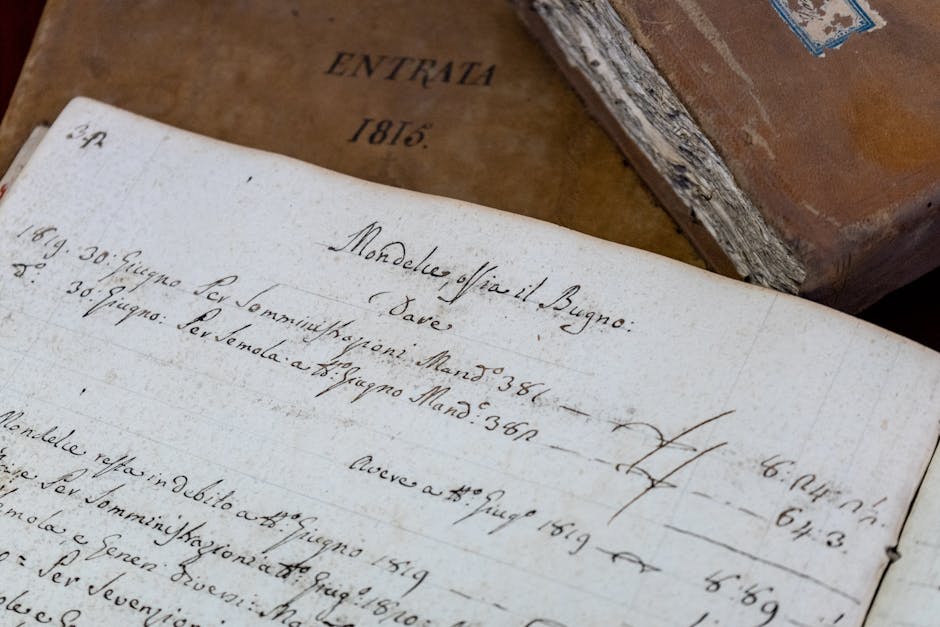
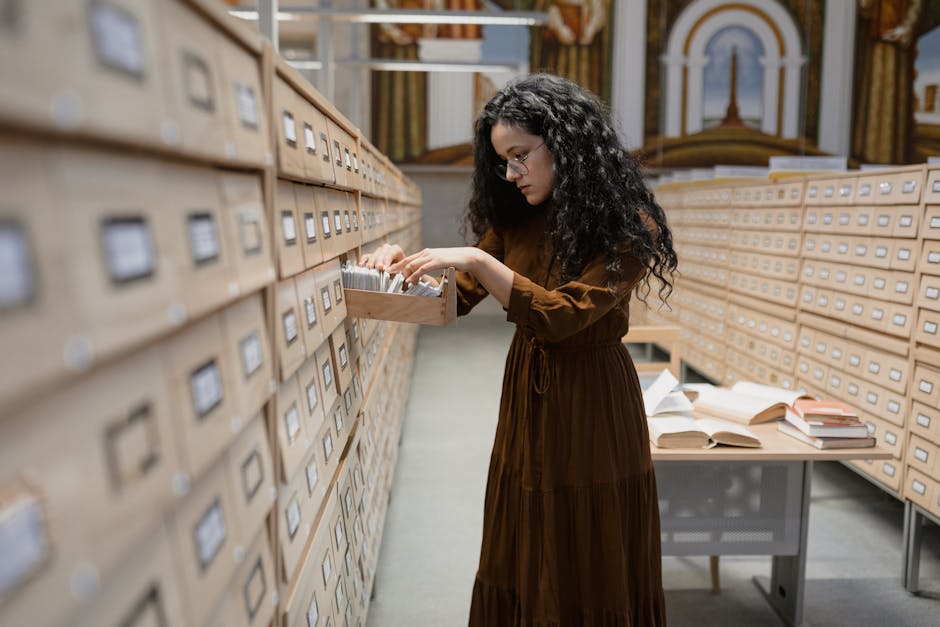
Photo by Donatello Trisolino on Pexels
Related reading: About.
Sources
Written by
Onboarding Team at Archively AI
Related articles
 Archival Technology
Document Scanning vs. Photography: Which Is Better for Archival Digitization?
In the realm of archival digitization, choosing between document scanning and photography can significantly impact the quality of your preserved materials. This article explores both methods, their advantages, and best practices to help archivists make informed decisions.
 Technology
AI Transcription for Oral History: Transforming Audio into Searchable Text
Discover how AI transcription technology is revolutionizing the field of oral history by converting audio recordings into searchable text, enhancing accessibility and preservation.
 Technology
How AI Is Transforming Archival Cataloging in 2026
Explore the transformative impact of artificial intelligence on archival cataloging in 2026, focusing on enhanced efficiency, accuracy, and accessibility in archival management.
 Technology
File Format Obsolescence: How to Future-Proof Your Collection
File format obsolescence poses a significant risk to the integrity of digital archives. This article explores strategies to future-proof your collection against evolving technology.
More from Archively AI
 Archival Management
What Is an EAD Finding Aid and Why Does It Matter?
Explore the significance of EAD finding aids in archival management, their components, and how they enhance accessibility in digital archives.
 Archive Management
How to Publish Your Archive Online and Get It Found by Researchers
Discover how to effectively publish your archive online and increase its visibility to researchers. Learn about best practices, tools, and strategies for successful digital archiving.
 Digital Archives
7 Costly Mistakes Institutions Make When Digitizing Collections
Digitizing collections can be a complex process fraught with challenges. Learn about the seven costly mistakes institutions often make and how to avoid them.
 Metadata Management
Dublin Core vs. MARC21: Choosing the Right Metadata Standard
This article explores the differences between Dublin Core and MARC21, two widely used metadata standards, helping archivists and librarians decide which is best suited for their digital archives.
Other blogs you may like
 Marketing
CrediBlog
Harnessing AI for Content Creation: Key Takeaways from the 'Is Thought Leadership Dead?' Webinar
This article summarizes the key insights from a webinar discussing the evolution of thought leadership in the age of AI, providing actionable strategies for marketers.
 Real Estate
Mouqa
Streamlining Your Search: How Mouqa Accelerates Finding Verified Rentals
Discover how Mouqa simplifies the process of finding verified rental properties in Toronto with a secure platform that connects landlords and tenants efficiently.
 Business Technology
EZLineup
Enhancing Customer Waiting Experience with Intelligent Line Management Solutions
Explore how businesses can transform their customer waiting experiences through advanced line management solutions, ensuring efficiency and satisfaction.
 Halal Food
Halal Nearby
Maximizing Your Online Searches for Halal Dining Experiences
Discover how to effectively utilize online resources and tools to find and visit more halal restaurants in your area. This guide presents practical tips and insights for halal food enthusiasts.