
The Complete Beginner's Guide to Digital Archive Management
Explore the essentials of digital archive management, including best practices, software solutions, and the transformative role of technology in preserving history.

Introduction to Digital Archive Management
In an increasingly digital world, managing archives has transitioned from traditional methods to sophisticated digital archive management systems. This guide aims to introduce beginners to the fundamental aspects of digital archive management, its importance, and how to effectively utilize archive management software to preserve and access historical records.
What is Digital Archive Management?
Digital archive management refers to the process of preserving, organizing, and providing access to digital information and documents. This covers everything from digitizing physical records to implementing software systems that manage metadata, user access, and storage solutions.
The Importance of Digital Archives
Maintaining digital archives is crucial for several reasons:
- Preservation: Digital formats can reduce the physical wear and tear of documents and artifacts.
- Accessibility: Digital archives ensure that information is more easily accessible to researchers, historians, and the general public.
- Security: Digital files can be backed up and secured against loss, theft, or damage.
Key Components of Digital Archive Management
- Digitization: Converting physical records to digital formats is the first step in establishing a digital archive. This includes using scanners for documents and digital cameras for photographs and artifacts.
- Metadata Creation: Metadata is information that describes the content, context, and structure of digital assets. Effective metadata improves searchability and organization within archives.
- Storage Solutions: Utilizing cloud storage or local servers for digital files ensures they are securely stored and accessible. Cloud archive management software can simplify this process.
- Access and Retrieval: Implementing an archive management system allows users to easily retrieve documents. Finding aid software can also enhance user experience.
Choosing the Right Archive Management Software
There are various archive management software options available, tailored to specific needs and budgets. When selecting a system, consider the following:
- Usability: The software should be user-friendly for both archivists and users.
- Features: Look for features such as metadata management, search capabilities, and integration with other systems.
- Scalability: Choose a solution that can grow with your archive's needs, whether you manage a small collection or a large repository.
Best Practices for Digital Archive Management
Implementing effective best practices can greatly improve your digital archive management:
- Regular Backups: Schedule frequent backups to prevent data loss.
- Consistent Metadata Standards: Adhere to established metadata standards to ensure consistency and accuracy.
- Training and Support: Provide training for staff and users to maximize the use of digital archives.
Future Trends in Digital Archive Management
The field of digital archive management is rapidly evolving, influenced by advancements in technology. Some emerging trends include:
- AI Integration: AI technology is increasingly being used in archival description and cataloging, streamlining workflows.
- Sustainability Efforts: Emphasis on environmentally friendly practices in storing and maintaining archives.
- Collaboration Tools: Improved communication and collaboration between institutions for shared access to digital collections.
Conclusion
Digital archive management is essential in preserving our collective history in the digital age. By understanding the fundamentals, utilizing the right tools, and adhering to best practices, organizations can effectively manage and safeguard their digital collections for future generations. For more insights on digital archives and to explore our archive management software, visit our website today.
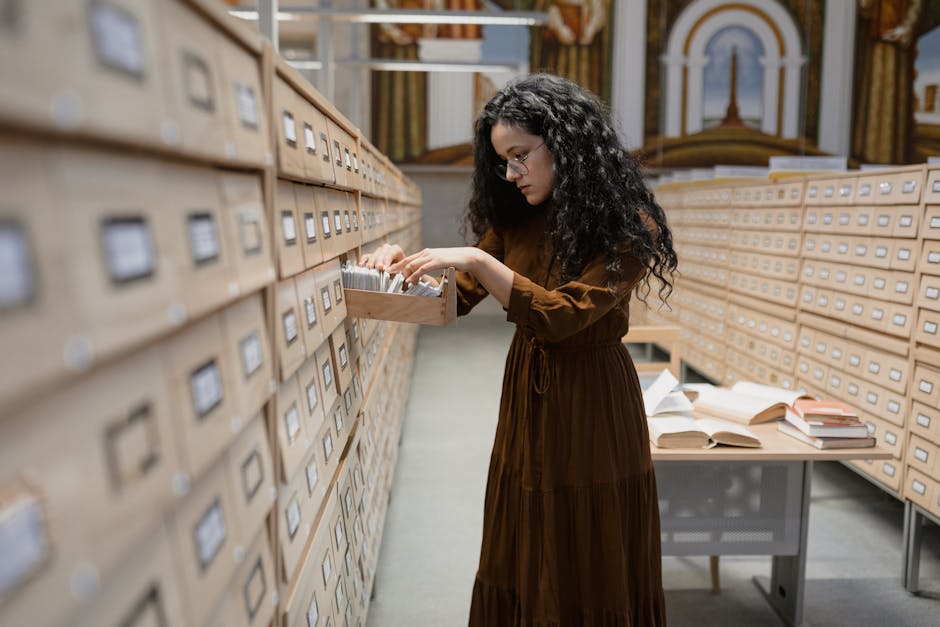
Image by Tima Miroshnichenko on Pexels
Related reading: About.
Sources
Written by
Onboarding Team at Archively AI
Related articles
 Digital Archiving
What Is a Digital Archive? Definitions, Examples, and Best Practices
Explore what digital archives are, their importance, examples, and best practices to implement for effective management.
 Archives Management
How to Digitize a Physical Archive: A Step-by-Step Guide for 2026
Digitizing a physical archive is a complex but rewarding task. This guide outlines the essential steps to successfully transition to a digital archive in 2026.
TechnologyUnlocking the Power of Digital Archiving for Religious and Community Organizations
Explore how digital archiving revolutionizes the way religious and community organizations manage their historical records, ensuring preservation and accessibility for future generations.
 Software Comparison
Best Digital Archive Software for Museums in 2026: A Comprehensive Comparison Guide
Explore the best digital archive software options for museums in 2026. This guide covers features, pricing, and suitability for varying museum needs.
More from Archively AI
 Metadata Management
Dublin Core vs. MARC21: Choosing the Right Metadata Standard
This article explores the differences between Dublin Core and MARC21, two widely used metadata standards, helping archivists and librarians decide which is best suited for their digital archives.
 Technology
AI Transcription for Oral History: Transforming Audio into Searchable Text
Discover how AI transcription technology is revolutionizing the field of oral history by converting audio recordings into searchable text, enhancing accessibility and preservation.
 Archives and Preservation
Digital Preservation Explained: Keeping Files Readable for 100 Years
Digital preservation is crucial for maintaining the accessibility of digital files over the long term. This article delves into the strategies and technologies that ensure files remain readable for generations.
 Archival Management
Understanding ISAD(G): A Comprehensive Guide to Archival Description
Explore the ISAD(G) framework in this plain-English guide, designed to clarify archival description for archivists and institutions alike.
Other blogs you may like
 Dining
Halal Nearby
The Ultimate Beginner’s Guide to Halal Dining
Discover the essentials of halal dining with our definitive guide. Learn what halal means, how to choose authentic halal restaurants, and explore diverse cuisines that adhere to halal principles.
 Business Technology
EZLineup
Enhancing Customer Waiting Experience with Intelligent Line Management Solutions
Explore how businesses can transform their customer waiting experiences through advanced line management solutions, ensuring efficiency and satisfaction.
 Marketing
CrediBlog
Harnessing AI for Content Creation: Key Takeaways from the 'Is Thought Leadership Dead?' Webinar
This article summarizes the key insights from a webinar discussing the evolution of thought leadership in the age of AI, providing actionable strategies for marketers.
 Rental Advice
Mouqa
Avoiding Common Rental Agreement Mistakes: A Guide for Tenants and Landlords
Navigating rental agreements can be complicated. Here are common mistakes tenants and landlords should avoid to ensure a smooth rental experience.