
Building a Digital Archive on a Small Museum Budget: A Practical Guide
Creating a digital archive can be achievable even on a small museum budget. This guide provides actionable steps, tips, and tools to help museums digitize their collections efficiently.

Introduction
In today's digital age, museums are increasingly looking for ways to improve access to their collections while preserving historical artifacts and documents. However, many small museums face limited budgets that can make the process of building a digital archive seem daunting. Fortunately, with careful planning and resourcefulness, it is possible to create an effective digital archive without breaking the bank. In this article, we will explore practical steps and strategies for building a digital archive on a small museum budget.
1. Assess Your Collection
Before diving into the digitization process, take the time to assess your collection. Identify the most significant items that would benefit from being digitized. Consider items that are frequently accessed by the public or that might have been damaged over time. Prioritizing which materials to digitize can help streamline the process and ensure that you are making the best use of your budget.
2. Define Your Goals
Clearly define the goals of your digital archive. Are you looking to enhance public access, preserve fragile materials, or create educational resources? Understanding your objectives will help guide your digitization efforts and inform decisions about the technology and methods you choose to adopt.
3. Choose the Right Technology
Investing in the right technology is crucial for creating a successful digital archive. Fortunately, there are many affordable options available. Consider using:
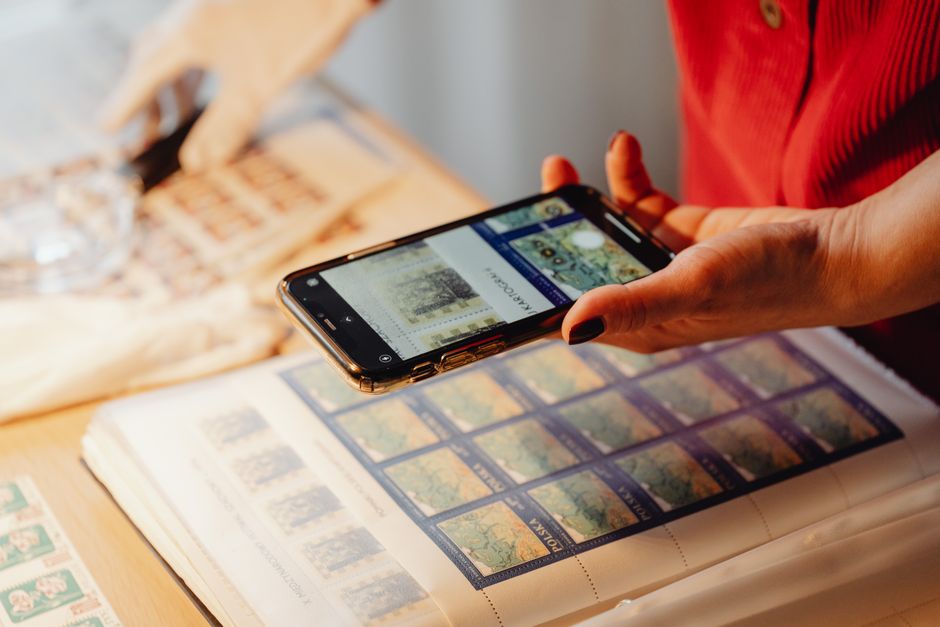
- Smartphones and Tablets: Modern devices can produce high-quality images and videos, making them a great starting point for digitization.
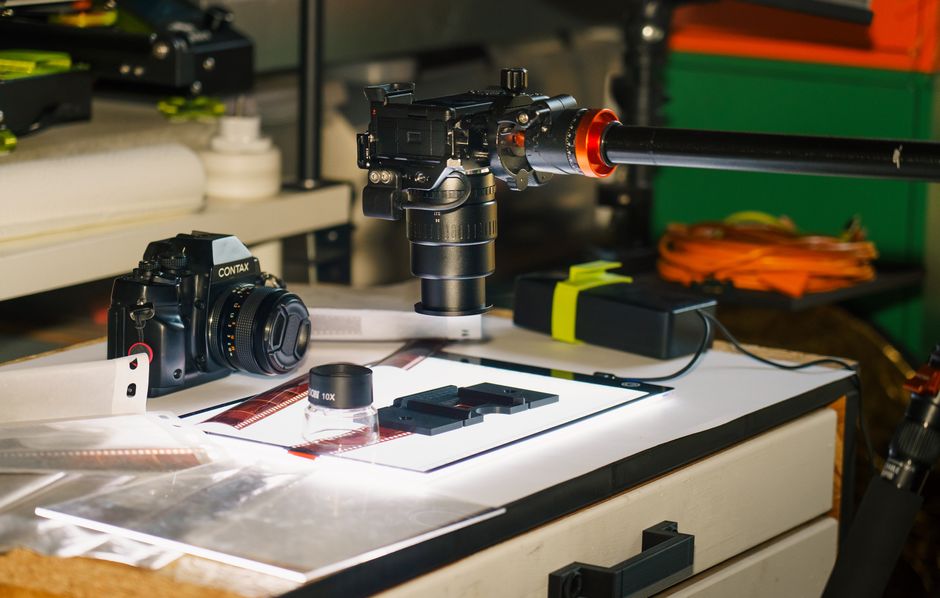
- Scanners: Flatbed scanners are ideal for digitizing documents and flat artifacts. Look for budget-friendly models that offer good image quality.
- Cloud Storage Solutions: Utilize cloud-based archive management software to store and manage your digital files securely. This can help you avoid the costs associated with on-site servers.
4. Develop a Digitization Plan
A well-structured digitization plan outlines the steps necessary to digitize your materials effectively. Include timelines, responsibilities, and equipment needed. Be sure to consider:
- File Formats: Choose suitable file formats (e.g., JPEG, TIFF) that balance quality and storage efficiency.
- Metadata Standards: Establish a consistent system for metadata to ensure easy retrieval and organization of digitized items.
- Quality Control: Implement quality checks at various stages of the digitization process to ensure accuracy and consistency.
5. Train Your Staff and Volunteers
Effective digitization requires proper training. Organize workshops or training sessions for staff and volunteers involved in the process. Educate them on the equipment, software, and metadata standards you are using. Encouraging collaboration among team members can also foster a more efficient workflow.
6. Utilize Funding Opportunities
Look for grants and funding opportunities specifically aimed at supporting small museums and digital archiving projects. Organizations such as the Institute of Museum and Library Services (IMLS) offer grants that can help with digitization initiatives. Building partnerships with local universities or tech companies can also provide additional resources and support.
7. Promote Your Digital Archive
Once your digital archive is up and running, make it accessible to the public. Promote your archive through your museum's website and social media channels. Engaging with the community can help increase awareness and usage of your digital resources. Consider hosting online exhibitions or virtual tours to showcase your collections.
Conclusion
Building a digital archive on a small museum budget is achievable with careful planning and resourcefulness. By assessing your collection, defining your goals, choosing the right technology, and developing a clear plan, your museum can successfully digitize its collections. For more information on effective archive management software and tools, visit Archively AI.

Image by Jakub Zerdzicki on Pexels
Sources
Written by
Onboarding Team at Archively AI
Related articles
 Digital Archives
The Complete Beginner's Guide to Digital Archive Management
Explore the essentials of digital archive management, including best practices, software solutions, and the transformative role of technology in preserving history.
 Software Comparison
Best Digital Archive Software for Museums in 2026: A Comprehensive Comparison Guide
Explore the best digital archive software options for museums in 2026. This guide covers features, pricing, and suitability for varying museum needs.
 Archives Management
How to Digitize a Physical Archive: A Step-by-Step Guide for 2026
Digitizing a physical archive is a complex but rewarding task. This guide outlines the essential steps to successfully transition to a digital archive in 2026.
 Digital Archiving
What Is a Digital Archive? Definitions, Examples, and Best Practices
Explore what digital archives are, their importance, examples, and best practices to implement for effective management.
More from Archively AI
 Digital Preservation
PREMIS Metadata 101: Tracking Digital Preservation Events
Explore the fundamentals of PREMIS metadata and its crucial role in tracking digital preservation events to ensure the longevity of digital assets.
 Technology
Leveraging AI for Auto-Generating Metadata in Archival Management
Discover how AI technology can streamline the process of generating metadata for thousands of archival files, enhancing organization and accessibility.
TechnologyIIIF Explained: The Standard Powering Zoomable Digital Collections
The International Image Interoperability Framework (IIIF) is revolutionizing the way digital collections are accessed and utilized. This article delves into IIIF's functionalities and its implications for archivists and digital libraries.
 Archive Management
Accessioning 101: From Donation to Searchable Record
Discover the essential steps of the accessioning process in archival management. This guide explains how to transform donations into searchable records using modern archival tools.
Other blogs you may like
 Real Estate
Mouqa
Smart Budgeting Strategies for Navigating Toronto's Dynamic Rental Market
As rental prices in Toronto fluctuate, effective budgeting becomes essential for prospective tenants. Learn how to navigate these changes and secure your ideal rental.
 Halal Food
Halal Nearby
Maximizing Your Online Searches for Halal Dining Experiences
Discover how to effectively utilize online resources and tools to find and visit more halal restaurants in your area. This guide presents practical tips and insights for halal food enthusiasts.
 Marketing
CrediBlog
Harnessing AI for Content Creation: Key Takeaways from the 'Is Thought Leadership Dead?' Webinar
This article summarizes the key insights from a webinar discussing the evolution of thought leadership in the age of AI, providing actionable strategies for marketers.
 Food & Recipes
Asia mart
Elevate Your Biryani: Essential Ingredients to Buy Online in Korea
Discover the key ingredients needed to create the perfect biryani at home, and learn where to conveniently shop for them online in Korea.