
Making Archives Accessible: The Importance of WCAG, Alt Text, and Inclusive Descriptions
Accessibility in archives is more than a legal requirement; it's a commitment to inclusivity. Learn how WCAG guidelines, effective use of alt text, and thoughtful descriptions enhance access for all.

Making Archives Accessible: The Importance of WCAG, Alt Text, and Inclusive Descriptions
In today's digital age, accessibility in archives has become a critical priority. With the vast amount of information available online, ensuring that everyone, including individuals with disabilities, can access archival materials is not only a legal requirement but also a moral obligation. This article explores the significance of the Web Content Accessibility Guidelines (WCAG), the role of alt text, and the necessity of inclusive descriptions in making archives accessible.
Understanding WCAG Guidelines
The Web Content Accessibility Guidelines (WCAG) serve as a foundation for creating accessible web content. These guidelines are designed to make content more accessible to people with disabilities, including visual, auditory, physical, and cognitive impairments. WCAG outlines principles that focus on making content perceivable, operable, understandable, and robust.
For archivists and institutions looking to enhance accessibility, adhering to WCAG is essential. Some key aspects include:
- Text Alternatives: Provide text alternatives for non-text content, enabling screen readers to convey information accurately.
- Keyboard Accessibility: Ensure all functionalities are accessible via keyboard navigation, accommodating users who cannot use a mouse.
- Readable and Understandable Content: Use straightforward language and structure to facilitate comprehension.
- Adaptive Resizing: Allow content to be resized without loss of functionality or information.
By incorporating these principles, archives can create a more inclusive environment for all users.
The Role of Alt Text
Alt text, or alternative text, is a crucial component of web accessibility. It provides a textual description of images, charts, and other visual content, ensuring that users with visual impairments can understand the content's context. In the realm of archives, where visual documentation is prevalent, effective use of alt text is vital.
When crafting alt text, consider the following guidelines:
- Be Descriptive: Clearly describe the visual content, focusing on what is essential for understanding the image.
- Keep It Concise: While thoroughness is important, aim for brevity. A sentence or two is often sufficient.
- Avoid Redundancy: If the image is already described in the surrounding text, a simple reference may suffice.
A well-crafted alt text enhances the user experience and ensures equal access to information for those relying on assistive technologies.
Inclusive Descriptions in Archival Materials
In addition to WCAG and alt text, creating inclusive descriptions is vital for providing equitable access to archival resources. Descriptions should be comprehensive and considerate of diverse user groups. This includes using inclusive language that reflects the community represented by the archival materials.
Here are some strategies for creating inclusive descriptions:
- Use Person-First Language: Prioritize the individual, such as “person with a disability” rather than “disabled person,” to promote dignity.
- Contextualize Cultural References: Provide background information that contextualizes the materials for diverse audiences, ensuring understanding.
- Engage with Communities: Collaborate with the communities represented in archives to capture their perspectives in descriptions.
By implementing these practices, archivists can foster a sense of belonging for all users engaging with their collections.
Conclusion
Accessibility in archives is an ongoing journey that requires continuous improvement and adaptation. By adhering to WCAG guidelines, utilizing alt text effectively, and crafting inclusive descriptions, archival institutions can significantly enhance access to their materials. This commitment not only complies with legal standards but also creates a richer, more equitable experience for all users.
For organizations looking to streamline their archival management with a focus on accessibility, consider exploring Archively AI. Our archive management software is designed to support archivists in creating accessible digital environments.
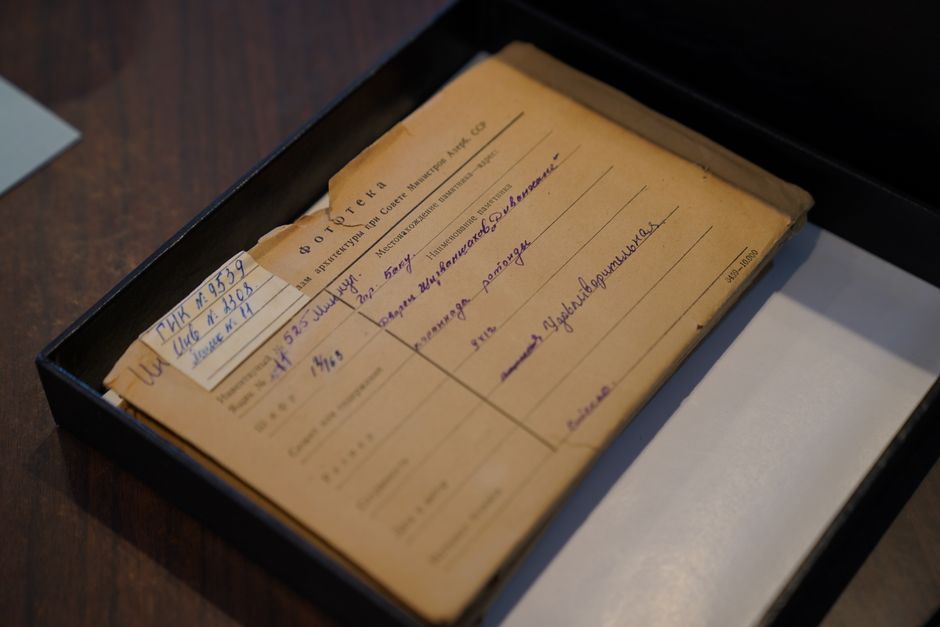
 Photo by Tima Miroshnichenko on Pexels
Related reading: About.
Sources
Written by
Onboarding Team at Archively AI
Related articles
 Archival Management
Enhancing Archival Descriptions for Improved Research Accessibility
Discover how to craft better archival descriptions that enhance discoverability and utility for researchers, leveraging best practices and modern tools.
 Archive Management
Building a Public Portal for Your Archive: A Practical Checklist
Creating a public portal for your archive can enhance accessibility and engagement. This checklist outlines essential steps to ensure a successful implementation.
 Archive Management
Accessioning 101: From Donation to Searchable Record
Discover the essential steps of the accessioning process in archival management. This guide explains how to transform donations into searchable records using modern archival tools.
 Archive Management
10 Stunning Digital Archives That Set the Standard for Online Collections
Explore ten exemplary digital archives that showcase the best practices in online collection management and accessibility, inspiring archivists everywhere.
More from Archively AI
 Archival Management
Seamlessly Importing Data from Google Drive, Box, and SharePoint into Your Archive
Explore effective strategies for importing data from popular cloud storage services like Google Drive, Box, and SharePoint into your archival management system.
 Technology
How to Use AI Without Compromising Archival Accuracy and Trust
Exploring the balance between leveraging AI technologies and maintaining the integrity of archival practices.
Digital PreservationHow to Choose the Right Preservation File Formats: A Guide for Archivists
Selecting the appropriate preservation file formats is crucial for the long-term accessibility and integrity of digital collections. This guide explores key formats such as TIFF, PDF/A, and WAV, and provides insights into making the best choices for archival materials.
 Archive Management
How OAI-PMH Facilitates Collection Discovery for Aggregators
Explore how the Open Archives Initiative Protocol for Metadata Harvesting (OAI-PMH) enhances visibility for your digital collections, making them accessible to aggregators and researchers alike.
Other blogs you may like
 Marketing
CrediBlog
Harnessing AI for Content Creation: Key Takeaways from the 'Is Thought Leadership Dead?' Webinar
This article summarizes the key insights from a webinar discussing the evolution of thought leadership in the age of AI, providing actionable strategies for marketers.
 Halal Food
Halal Nearby
Maximizing Your Online Searches for Halal Dining Experiences
Discover how to effectively utilize online resources and tools to find and visit more halal restaurants in your area. This guide presents practical tips and insights for halal food enthusiasts.
 Business Technology
EZLineup
Enhancing Customer Waiting Experience with Intelligent Line Management Solutions
Explore how businesses can transform their customer waiting experiences through advanced line management solutions, ensuring efficiency and satisfaction.