
A Comprehensive Guide for Muslim Tourists: Finding Halal Food Abroad
Traveling abroad can pose challenges for Muslim tourists regarding dining options. This guide offers practical tips and resources to help find halal food while exploring new cultures.

Understanding the Importance of Halal Food
For Muslim travelers, finding halal food is a significant aspect of their journey. Halal, meaning permissible in Arabic, refers to food that adheres to Islamic law. It encompasses not only the types of food consumed but also how it is prepared and served. As a Muslim traveler, ensuring that your meals are halal allows you to enjoy your culinary experience without compromising your beliefs.
Researching Your Destination
Before embarking on your trip, it’s essential to research your destination. Many cities around the world have a growing number of halal restaurants and markets. Start by exploring online resources that can help you identify halal dining options. Websites like Halal Nearby provide comprehensive lists of halal restaurants across various locations, making it easier to find meals that suit your dietary needs.
Utilizing Mobile Applications
In our digital age, mobile applications have made finding halal food simpler than ever. Apps like Zabihah, HalalTrip, and Muslim Pro allow travelers to search for halal restaurants nearby, read reviews, and even navigate to their locations. Downloading these apps before your trip can be immensely helpful in staying informed about halal dining options.
Connecting with Local Muslim Communities
Another effective way to find halal food is by connecting with local Muslim communities. Many cities have mosques or Islamic centers where you can meet locals who can provide firsthand recommendations for halal restaurants and grocery stores. Engaging with the community can also enhance your travel experience, offering insights into local culture and halal-friendly practices.
Exploring Halal Food Options in Various Cuisines
Halal food is not limited to Middle Eastern cuisine; many different cultures offer halal options. Here are a few cuisines to explore:
- Turkish: Enjoy delicious kebabs and baklava.
- Indian: Savor flavorful biryanis and curries made from halal meats.
- Thai: Experience the exotic flavors of halal Thai curry and noodle dishes.
- Mexican: Feast on halal tacos and burritos made with halal meats.
Being open to trying different cuisines can lead to delightful culinary discoveries while maintaining your dietary restrictions.
Checking for Halal Certification
When dining out, it’s crucial to ensure that the restaurant’s halal status is credible. Look for halal certifications from recognized authorities or ask the staff about their halal offerings. Many reputable halal restaurants display their certifications prominently, providing you with peace of mind regarding your food choices.
Preparing Your Own Meals
In situations where halal options are limited, consider preparing your own meals. Many accommodations offer kitchen facilities, allowing you to cook your own halal meals with ingredients sourced from local markets. This not only guarantees that you’re eating halal but also allows you to explore local produce and flavors.
Final Thoughts
Traveling as a Muslim tourist may present challenges in finding halal food, but with the right resources and preparation, it can be a seamless experience. By utilizing apps, conducting thorough research, and engaging with local communities, you can enjoy the rich culinary offerings of your destination without compromising your values.
For more information on halal dining options, visit Halal Nearby and discover a world of halal-friendly restaurants ready to satisfy your cravings.

Photo by Thirdman on Pexels
Sources
Written by
Kainat Elahiat Halal Nearby
Related articles
 Travel Tips
The Muslim Traveler’s Guide to Eating Halal Overseas
Navigating halal food options while traveling can be challenging for Muslim travelers. This guide explores tips, resources, and cultural considerations for finding halal meals worldwide.
 Travel
The Complete Guide to Eating Halal While Traveling
Traveling as a Muslim can sometimes present challenges, especially when it comes to finding halal food options. This guide provides insights, tips, and resources for enjoying halal cuisine worldwide.
 Travel
Navigating Halal Food Challenges While Traveling Abroad
Traveling abroad can pose unique challenges for Muslim travelers seeking halal food. This article explores the various hurdles and offers insights on how to overcome them.
 Travel Tips
Best Tips for Finding Halal Restaurants in Non-Muslim Countries
Traveling to non-Muslim countries can present challenges when seeking halal dining options. Here are essential tips to help you find halal restaurants and enjoy your culinary adventures.
More from Halal Nearby
Halal DiningBoosting Visibility: How to Make Your Halal Restaurant Easier to Discover
Discover proven strategies to increase the visibility of your halal restaurant. Learn how to optimize your online presence and reach more customers effectively.
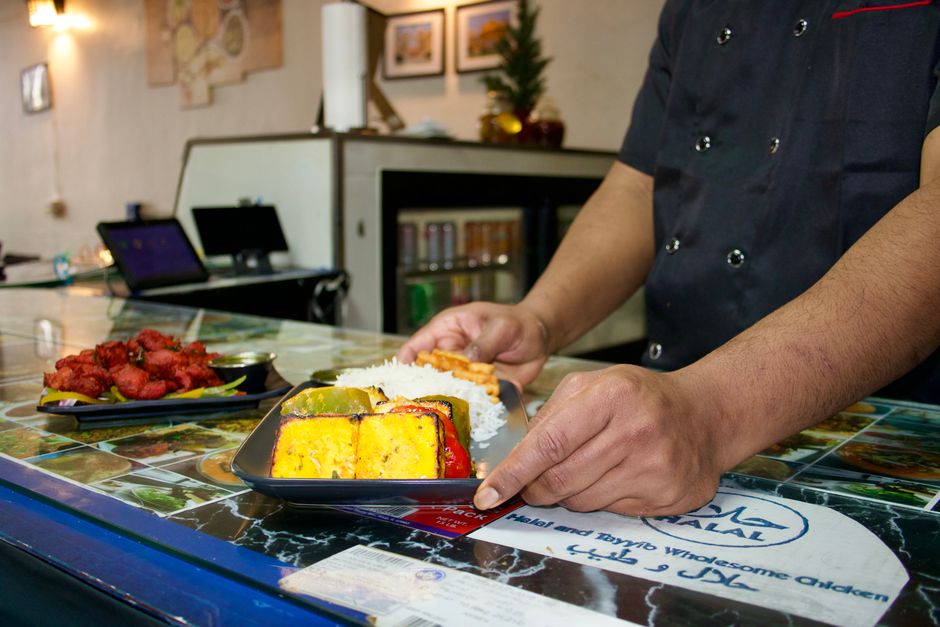 Halal Dining
The Essential Need for Verified Online Profiles for Halal Restaurants
In today's digital age, having a verified online profile is crucial for halal restaurants. This article explores why every halal restaurant should prioritize their online presence and how it can impact their success.
 Halal Dining
The Importance of Claiming Your Online Profile as a Halal Restaurant
In an age where online presence is crucial for business success, halal restaurants must prioritize claiming their online profiles. This article explores the benefits and strategies for enhancing visibility and customer engagement.
MarketingClaim Your Halal Restaurant Profile and Enhance Your Customer Reach
Discover how claiming your halal restaurant profile on Halal Nearby can help you reach more customers and build a loyal community.
Other blogs you may like
 Food & Recipes
Asia mart
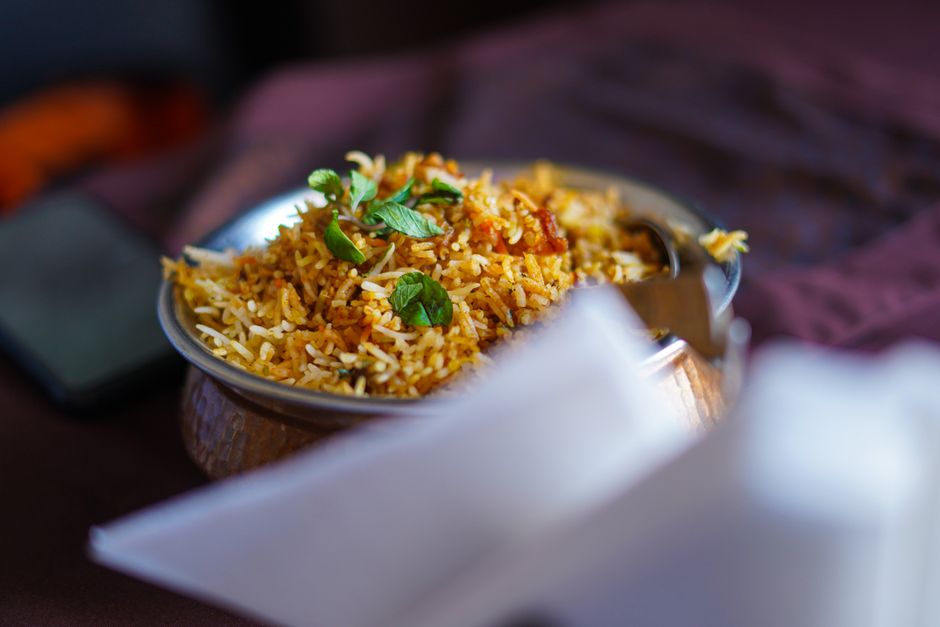
Elevate Your Biryani: Essential Ingredients to Buy Online in Korea
Discover the key ingredients needed to create the perfect biryani at home, and learn where to conveniently shop for them online in Korea.
 Weddings
Your Limo Ride Online
Why a Party Bus is the Perfect Choice for Your Wedding in New York and New Jersey
Discover how a party bus can enhance your wedding experience in New York and New Jersey, making transportation fun, stylish, and stress-free for you and your guests.
 Business Technology
EZLineup
Enhancing Customer Waiting Experience with Intelligent Line Management Solutions
Explore how businesses can transform their customer waiting experiences through advanced line management solutions, ensuring efficiency and satisfaction.
 Marketing
CrediBlog
Harnessing AI for Content Creation: Key Takeaways from the 'Is Thought Leadership Dead?' Webinar
This article summarizes the key insights from a webinar discussing the evolution of thought leadership in the age of AI, providing actionable strategies for marketers.