
Strategies for Halal Restaurants to Attract More Muslim Customers
Explore effective strategies that halal restaurants can implement to attract and retain Muslim customers in Ontario.
Understanding the Muslim Market
With the growing Muslim population in Ontario, particularly in the Greater Toronto Area, halal restaurants have a unique opportunity to cater to this demographic. The halal food market is not just limited to Muslims; it also attracts non-Muslim consumers who seek ethically sourced and high-quality food options. Understanding the needs and preferences of Muslim diners is essential for restaurants looking to thrive in this competitive market.
1. Emphasizing Halal Certification
One of the first things that Muslim customers look for when dining out is halal certification. Ensuring that your establishment is certified by a reputable halal authority can significantly increase your credibility. Displaying halal certification prominently in your restaurant and on your website can reassure customers about the authenticity of your offerings.
2. Offering Diverse Menu Options
A diverse menu that showcases various halal cuisines can attract a broader audience. Offering not only traditional meals but also contemporary dishes from different cultures—such as Turkish, Lebanese, Afghan, and even fusion cuisine—can appeal to a wide range of taste preferences. This diversity ensures that everyone finds something they enjoy, ultimately leading to repeat visits.
3. Creating a Welcoming Atmosphere
The ambiance of a restaurant plays a crucial role in attracting customers. Halal restaurants should focus on creating a welcoming environment that is family-friendly and conducive to social gatherings. Comfortable seating, warm lighting, and a clean, inviting décor can make a significant difference in the dining experience.
4. Engaging with the Community
Connecting with the local Muslim community can help build trust and loyalty. Participating in community events, sponsoring local sports teams, or hosting halal-focused culinary workshops can enhance your visibility and create a positive brand image. Additionally, collaborating with local mosques and community centers can increase your outreach efforts.
5. Leveraging Online Platforms
In today’s digital age, online presence is vital. Utilizing social media and food delivery platforms can help reach a wider audience. Regularly posting engaging content, special promotions, and behind-the-scenes glimpses of your restaurant can keep your customers informed and interested. Additionally, promoting your halal offerings on platforms like Halal Nearby can help attract more Muslim diners looking for halal options.
6. Implementing Loyalty Programs
Creating loyalty programs can encourage repeat business. Offering discounts or rewards for frequent diners can enhance customer satisfaction and encourage word-of-mouth marketing. Consider incorporating a mobile app or a simple punch card system to keep track of customer visits and rewards.
7. Offering Educational Content
Educating your customers about halal practices can also enhance their dining experience. Providing information about halal sourcing, preparation methods, and the benefits of consuming halal food can create a deeper connection with your patrons. Blogs, videos, or even informational placards in your restaurant can serve this purpose.
Conclusion
Attracting Muslim customers to halal restaurants in Ontario requires a multifaceted approach that emphasizes halal certification, diverse menu options, community engagement, and effective online marketing. By focusing on these strategies, halal restaurants can not only attract more Muslim customers but also create a thriving dining environment that appeals to everyone. For more information on halal dining options and to discover the finest halal restaurants near you, visit Halal Nearby.

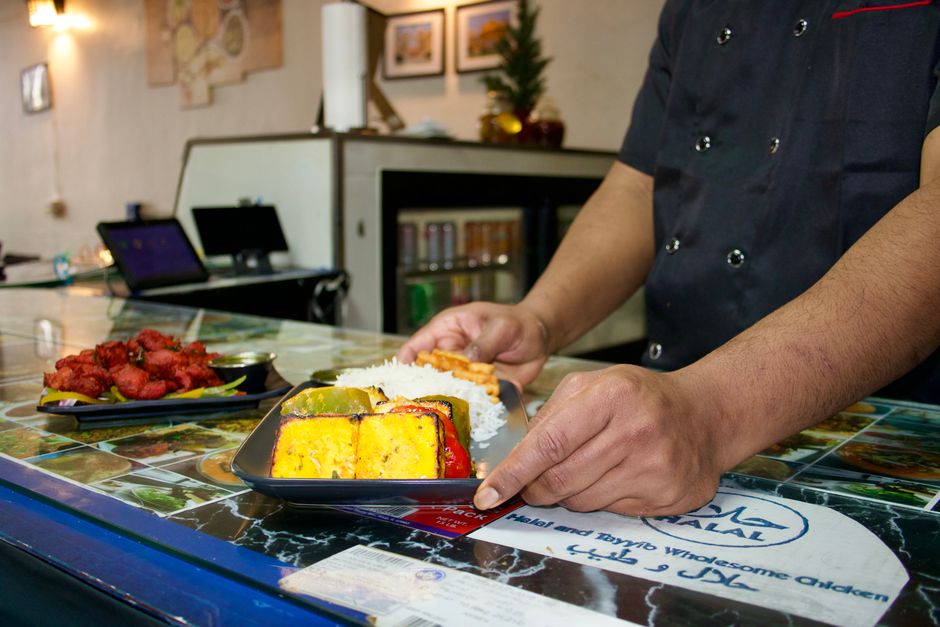
Photo by Hera Permata S on Pexels
Related reading: Info@Halalnearby.
Sources
Written by
Kainat Elahiat Halal Nearby
Related articles
 Halal Dining
Savoring the Sea: The Best Halal Seafood Restaurants for Muslim Diners in Ontario
Explore the top halal seafood spots in Ontario that cater to Muslim diners seeking fresh and delicious seafood options. Discover unique restaurants that celebrate flavors from around the world!
 Food & Dining
Top Halal Food Spots Every Muslim Should Know
Explore the top halal food spots in Ontario that every Muslim foodie should visit. From authentic Middle Eastern cuisine to delightful Asian dishes, discover the best halal dining options in the Greater Toronto Area.
Halal Food GuidesNavigating Halal Food Options for Muslim Students Near Campus
Discover how Muslim students can easily locate halal food near their campuses in Ontario. From resourceful apps to local eateries, this guide offers essential tips for a hassle-free dining experience.
Food & DiningHow HalalNearby Can Help Restaurants Reach Muslim Customers
Discover how HalalNearby connects halal restaurants with the Muslim community and enhances their dining options.
More from Halal Nearby
 Halal Dining
Boosting Visibility: How to Make Your Halal Restaurant Easier to Discover
Discover proven strategies to increase the visibility of your halal restaurant. Learn how to optimize your online presence and reach more customers effectively.
Halal DiningThe Essential Need for Verified Online Profiles for Halal Restaurants
In today's digital age, having a verified online profile is crucial for halal restaurants. This article explores why every halal restaurant should prioritize their online presence and how it can impact their success.
 Halal Dining
The Importance of Claiming Your Online Profile as a Halal Restaurant
In an age where online presence is crucial for business success, halal restaurants must prioritize claiming their online profiles. This article explores the benefits and strategies for enhancing visibility and customer engagement.
MarketingClaim Your Halal Restaurant Profile and Enhance Your Customer Reach
Discover how claiming your halal restaurant profile on Halal Nearby can help you reach more customers and build a loyal community.
Other blogs you may like
 Business Technology
EZLineup
Enhancing Customer Waiting Experience with Intelligent Line Management Solutions
Explore how businesses can transform their customer waiting experiences through advanced line management solutions, ensuring efficiency and satisfaction.
 Food & Recipes
Asia mart
Elevate Your Biryani: Essential Ingredients to Buy Online in Korea
Discover the key ingredients needed to create the perfect biryani at home, and learn where to conveniently shop for them online in Korea.
 Records Management
Archively
Corporate Records Management: Turning Compliance Into a Searchable Asset
Discover how effective corporate records management can transform compliance requirements into a searchable, accessible asset for organizations.
 Marketing
CrediBlog
Harnessing AI for Content Creation: Key Takeaways from the 'Is Thought Leadership Dead?' Webinar
This article summarizes the key insights from a webinar discussing the evolution of thought leadership in the age of AI, providing actionable strategies for marketers.