
Halal, Haram, and Doubtful Food: What Muslims Should Know
Understanding the principles of halal, haram, and doubtful foods is essential for Muslims who wish to adhere to their dietary guidelines. This article provides a comprehensive overview.

Understanding Halal, Haram, and Doubtful Foods
For Muslims, dietary laws are a fundamental aspect of daily life, deeply rooted in religious beliefs. The terms halal, haram, and doubtful foods serve as guidelines for what is permissible, forbidden, and uncertain in Islamic dietary practices. Understanding these concepts is essential for making informed choices about what to eat.
What is Halal?
Halal means 'permissible' in Arabic. Foods and drinks that are considered halal meet specific Islamic guidelines outlined in the Quran and Hadith. Generally, halal food includes:
- Meat from animals that have been slaughtered according to Islamic law (Zabiha).
- Fish and eggs are also typically halal.
- Fruits, vegetables, grains, and other plant-based foods.
- Processed foods that do not contain haram ingredients (like alcohol or pork derivatives).
What is Haram?
Haram translates to 'forbidden.' Foods categorized as haram are explicitly prohibited in Islam. Some common examples include:
- Pork and its by-products, which are considered impure.
- Alcohol and intoxicants.
- Meat from animals that have not been slaughtered in accordance with Islamic law.
- Any food that contains harmful ingredients or promotes sinful behavior.
Doubtful Foods: What to Consider
Doubtful foods refer to items that cannot be clearly classified as halal or haram. These foods may raise questions about their ingredients, preparation methods, or sources. Some scenarios that might lead to doubts include:
- Processed foods that contain complex ingredients, making it hard to ascertain whether they include haram components.
- Items prepared in establishments that also handle haram foods, posing a risk of cross-contamination.
- Foods that lack proper halal certifications.
How to Ensure You’re Eating Halal
To make informed choices about halal eating, consider the following tips:
- Look for halal certification: Many brands and restaurants now have halal certifications displayed, which can help you feel more confident about your food choices.
- Research local halal restaurants: Websites like Halal Nearby can help you find halal dining options in your area.
- Ask questions: Don’t hesitate to inquire about the sourcing and preparation of food, especially when dining at restaurants that do not explicitly declare halal.
- Choose whole foods: Whenever possible, opt for fresh fruits, vegetables, and grains that are less likely to have questionable ingredients.
Conclusion
Adhering to halal dietary laws is an integral part of a Muslim's life. By recognizing what constitutes halal and haram, as well as how to handle doubtful foods, individuals can confidently participate in culinary experiences while maintaining their religious beliefs. For more information on halal dining options, visit Halal Nearby to explore the finest halal restaurants in your area.

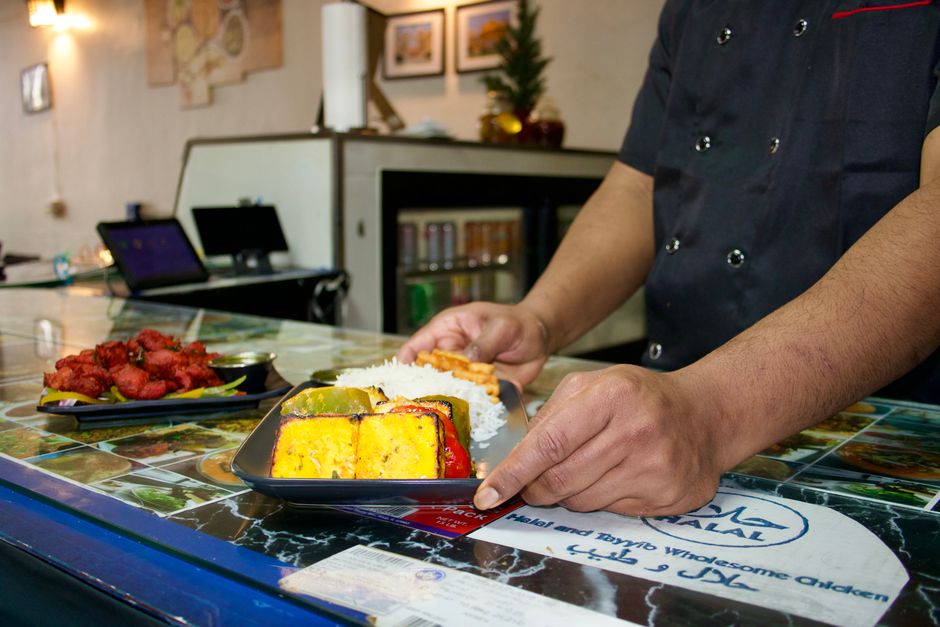
Photo by Man Fong Wong on Pexels
Related reading: Whyhalal.
Sources
Written by
Kainat Elahiat Halal Nearby
Related articles
 Halal Food Guide
Understanding Halal: What It Means for Food
A comprehensive guide to understanding the meaning of halal in food, its significance, and implications for dietary choices.
 Food & Dining
Halal vs Muslim-Friendly Restaurants: Understanding the Differences
Explore the distinctions between Halal and Muslim-friendly restaurants. Learn what each term means, their significance to diners, and how to choose the right dining option.
 Food & Dining
Unveiling Common Haram Ingredients Hidden in Everyday Foods
Discover the hidden haram ingredients in everyday foods and learn how to make informed choices while dining. This article highlights some common ingredients to watch out for and offers tips for halal adherence.
Halal DiningWhat Makes a Restaurant Truly Halal? A Simple Guide
Understanding what makes a restaurant truly halal is essential for Muslim diners. This guide explores the standards and practices that define halal dining.
More from Halal Nearby
 Halal Dining
Boosting Visibility: How to Make Your Halal Restaurant Easier to Discover
Discover proven strategies to increase the visibility of your halal restaurant. Learn how to optimize your online presence and reach more customers effectively.
Halal DiningThe Essential Need for Verified Online Profiles for Halal Restaurants
In today's digital age, having a verified online profile is crucial for halal restaurants. This article explores why every halal restaurant should prioritize their online presence and how it can impact their success.
 Halal Dining
The Importance of Claiming Your Online Profile as a Halal Restaurant
In an age where online presence is crucial for business success, halal restaurants must prioritize claiming their online profiles. This article explores the benefits and strategies for enhancing visibility and customer engagement.
MarketingClaim Your Halal Restaurant Profile and Enhance Your Customer Reach
Discover how claiming your halal restaurant profile on Halal Nearby can help you reach more customers and build a loyal community.
Other blogs you may like
 Food & Recipes
Asia mart
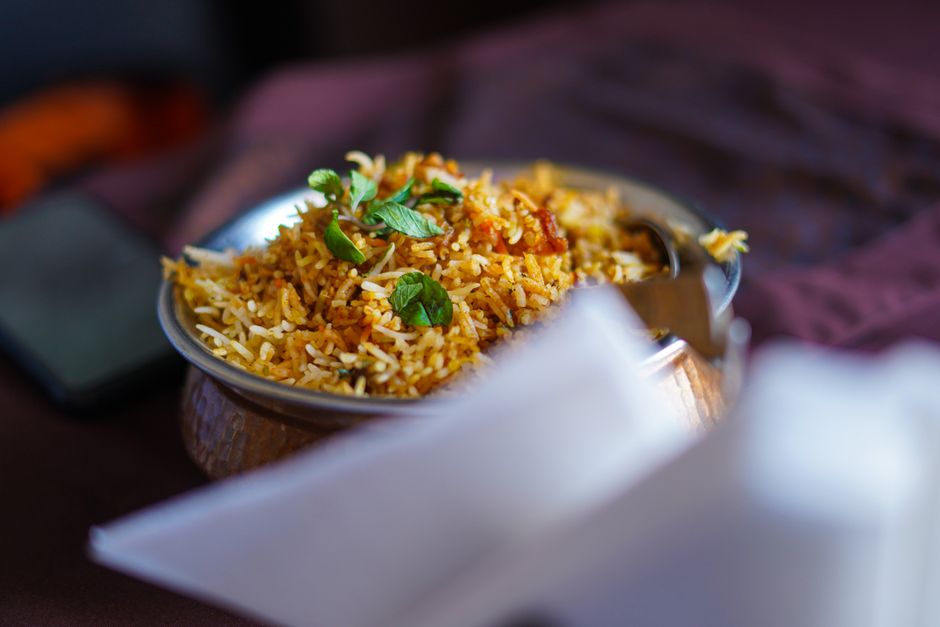
Elevate Your Biryani: Essential Ingredients to Buy Online in Korea
Discover the key ingredients needed to create the perfect biryani at home, and learn where to conveniently shop for them online in Korea.
 Marketing
CrediBlog
Harnessing AI for Content Creation: Key Takeaways from the 'Is Thought Leadership Dead?' Webinar
This article summarizes the key insights from a webinar discussing the evolution of thought leadership in the age of AI, providing actionable strategies for marketers.
 Business Technology
EZLineup
Enhancing Customer Waiting Experience with Intelligent Line Management Solutions
Explore how businesses can transform their customer waiting experiences through advanced line management solutions, ensuring efficiency and satisfaction.
 Weddings
Your Limo Ride Online
Why a Party Bus is the Perfect Choice for Your Wedding in New York and New Jersey
Discover how a party bus can enhance your wedding experience in New York and New Jersey, making transportation fun, stylish, and stress-free for you and your guests.