
Unveiling Common Haram Ingredients Hidden in Everyday Foods
Discover the hidden haram ingredients in everyday foods and learn how to make informed choices while dining. This article highlights some common ingredients to watch out for and offers tips for halal adherence.
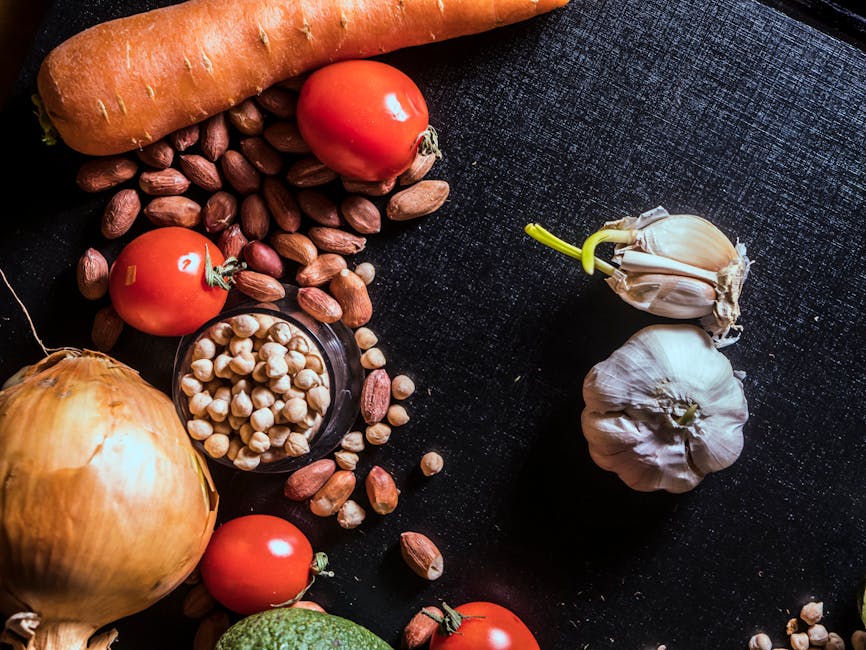
Understanding Haram Ingredients in Everyday Food
For those adhering to a halal lifestyle, being aware of haram (forbidden) ingredients in foods is crucial. Many everyday items may contain hidden haram components that can compromise dietary practices. This article will discuss some common haram ingredients found in food products, helping you make informed choices.
Common Haram Ingredients
Identifying haram ingredients can be challenging, as many are often included in processed foods without clear labeling. Here are some common haram ingredients that you should watch out for:
1. Gelatin
Gelatin is a common ingredient derived from the collagen of animal bones and skin, often used in candies, desserts, and some yogurts. If the gelatin comes from haram sources, such as pigs, it is strictly prohibited for Muslims. Always look for vegetarian or halal-certified gelatin alternatives.
2. Alcohol-Based Ingredients
Alcohol is found not only in beverages but also in some food flavorings, sauces, and extracts, such as vanilla extract. While some extracts may not contain alcohol, it’s crucial to read labels carefully and choose alcohol-free options.
3. Lard
Lard is rendered pig fat and is commonly used in baking and cooking. It can be found in some processed foods, including pastries and baked goods. Look for vegetable shortening or butter as halal alternatives.
4. Animal Enzymes
Animal enzymes are used in cheese production and other dairy products. These enzymes can be derived from non-halal sources. Choosing cheeses labeled as 'vegetarian rennet' can help ensure they are halal-friendly.
5. Cysteine
Cysteine is an amino acid that can be derived from animal hair, feathers, or human hair. It is often used in bread-making as a dough conditioner. To avoid dealing with this ingredient, opt for breads that specify they are free from animal-derived ingredients.
Food Labels and Certifications
Understanding food labels is vital in navigating halal eating. Look for halal certification symbols on packaging, as they indicate the product has been verified as compliant with halal standards. When in doubt, consult resources like Halal Nearby for guidance on safe and halal food options.
Tips for Halal Dining
- Research Ingredients: Look up unfamiliar ingredients before consuming products.
- Ask Questions: Don’t hesitate to ask restaurant staff about how food is prepared and what ingredients are used.
- Choose Fresh Ingredients: Whenever possible, select whole foods like fruits, vegetables, and grains that are less likely to contain hidden haram ingredients.
- Stay Informed: Keep up to date with the latest information on halal dietary practices and certifications.
Conclusion
Navigating the world of food can be daunting, especially when trying to avoid haram ingredients. With a bit of vigilance and knowledge, you can enjoy a diverse and delicious halal diet. Always read labels carefully, utilize resources for halal verification, and most importantly, trust your instincts as you make food choices.
For more information on halal dining options and to discover nearby halal restaurants, visit Halal Nearby.

Photo by cottonbro studio on Pexels
Sources
Written by
Kainat Elahiat Halal Nearby
Related articles
 Food & Dining
How to Read Food Labels for Halal Ingredients
Navigating food labels is essential for ensuring the ingredients align with halal dietary laws. This article guides you through the process of reading food labels to identify halal ingredients.
 Food & Dining
Halal, Haram, and Doubtful Food: What Muslims Should Know
Understanding the principles of halal, haram, and doubtful foods is essential for Muslims who wish to adhere to their dietary guidelines. This article provides a comprehensive overview.
 Halal Dining
Uncovering Hidden Halal Gems: Your Guide to Discovering Halal Restaurants in the City
Embark on a culinary adventure to find hidden halal restaurants with our expert tips. From local recommendations to online resources, explore the best ways to enjoy halal dining.
 Halal Food Guide
Understanding Halal: What It Means for Food
A comprehensive guide to understanding the meaning of halal in food, its significance, and implications for dietary choices.
More from Halal Nearby
Halal DiningBoosting Visibility: How to Make Your Halal Restaurant Easier to Discover
Discover proven strategies to increase the visibility of your halal restaurant. Learn how to optimize your online presence and reach more customers effectively.
 Halal Dining
The Essential Need for Verified Online Profiles for Halal Restaurants
In today's digital age, having a verified online profile is crucial for halal restaurants. This article explores why every halal restaurant should prioritize their online presence and how it can impact their success.
 Halal Dining
The Importance of Claiming Your Online Profile as a Halal Restaurant
In an age where online presence is crucial for business success, halal restaurants must prioritize claiming their online profiles. This article explores the benefits and strategies for enhancing visibility and customer engagement.
MarketingClaim Your Halal Restaurant Profile and Enhance Your Customer Reach
Discover how claiming your halal restaurant profile on Halal Nearby can help you reach more customers and build a loyal community.
Other blogs you may like
 Food & Recipes
Asia mart
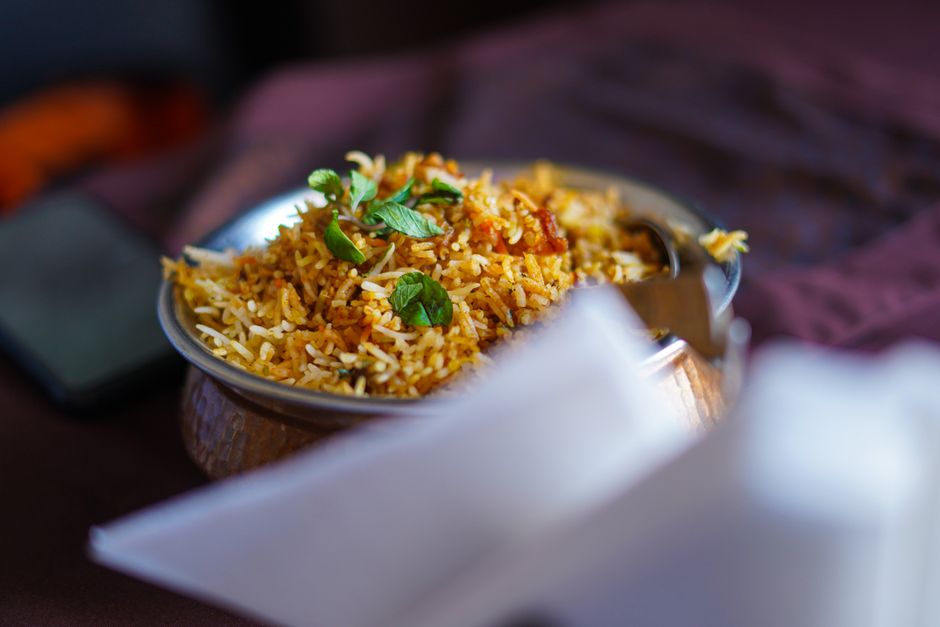
Elevate Your Biryani: Essential Ingredients to Buy Online in Korea
Discover the key ingredients needed to create the perfect biryani at home, and learn where to conveniently shop for them online in Korea.
 Marketing
CrediBlog
Harnessing AI for Content Creation: Key Takeaways from the 'Is Thought Leadership Dead?' Webinar
This article summarizes the key insights from a webinar discussing the evolution of thought leadership in the age of AI, providing actionable strategies for marketers.
 Business Technology
EZLineup
Enhancing Customer Waiting Experience with Intelligent Line Management Solutions
Explore how businesses can transform their customer waiting experiences through advanced line management solutions, ensuring efficiency and satisfaction.
 Weddings
Your Limo Ride Online
Why a Party Bus is the Perfect Choice for Your Wedding in New York and New Jersey
Discover how a party bus can enhance your wedding experience in New York and New Jersey, making transportation fun, stylish, and stress-free for you and your guests.