
Is Seafood Always Halal? What You Should Know
Exploring the complexities of seafood in relation to halal dietary laws, we delve into what makes seafood halal and the exceptions to consider.

Understanding Halal and Seafood
When it comes to halal dietary laws, seafood often occupies a unique position. Many Muslims may assume that all seafood is halal, but the reality is more nuanced. In this article, we’ll explore what makes seafood halal, the exceptions to be aware of, and how to navigate seafood choices while adhering to halal guidelines.
What Does Halal Mean?
The term halal translates to "permissible" in Arabic and refers to what is allowed under Islamic law. For food to be considered halal, it must meet specific criteria outlined in the Quran and Hadith, including the manner in which it is slaughtered and the ingredients used in its preparation.
Seafood and Halal Guidelines
Seafood is generally considered halal, and many scholars agree that all types of fish are permissible. Fish are specifically mentioned in the Quran as lawful to consume. However, there are important distinctions to consider:
- Fish vs. Other Sea Creatures: While fish are deemed halal, not all sea creatures share this status. For example, shellfish, crustaceans, and some types of aquatic animals may be considered haram (forbidden) by certain scholars.
- Type of Seafood: Certain types of seafood, such as catfish and sharks, can sometimes be viewed as questionable due to their predatory nature or lack of scales. It's advisable to consult religious authorities or local scholars if unsure about specific species.
- Preparation and Cross-Contamination: Seafood must be prepared in a manner that aligns with halal practices. If seafood is cooked or served with non-halal ingredients, it may not be considered halal anymore. Always ensure that cross-contamination does not occur with haram substances.
Exceptions to the Rule
While seafood is predominantly viewed as halal, it is essential to be informed about exceptions. Here are some key points that highlight when seafood might not be halal:
- Dead Fish: Fish that die before being caught may not be halal. It is crucial that fish are alive at the time of capture to uphold halal standards.
- Predatory Fish: Fish that are considered predatory may not be halal, depending on individual interpretations of religious guidelines. It’s best to consult with knowledgeable sources regarding these species.
- Environmental Concerns: Some seafood may be harvested from waters that are polluted or where the catch practices are questionable. This could complicate the halal status of the seafood.
Choosing Halal Seafood
To ensure your seafood choices align with halal dietary laws, consider these practical steps:
- Research Suppliers: Whenever possible, purchase seafood from suppliers who are certified halal. This guarantees that the product adheres to halal guidelines from catch to preparation.
- Ask Questions: Don’t hesitate to ask restaurant staff about their seafood sources and preparation methods. Many halal restaurants are happy to provide details about their practices.
- Stay Informed: Understanding the halal status of different seafood species is crucial. Stay updated on guidelines and rulings from reputable Islamic authorities, which can help you make informed choices.
Conclusion
In summary, while seafood is mostly considered halal, there are complexities and exceptions that must be taken into account. By being informed and diligent in your choices, you can enjoy a variety of seafood dishes while adhering to halal dietary laws. For more insights into halal dining and to discover halal options nearby, check out Halal Nearby.
Remember, when in doubt, consult religious authorities or community leaders to ensure your food choices are compliant with your beliefs.
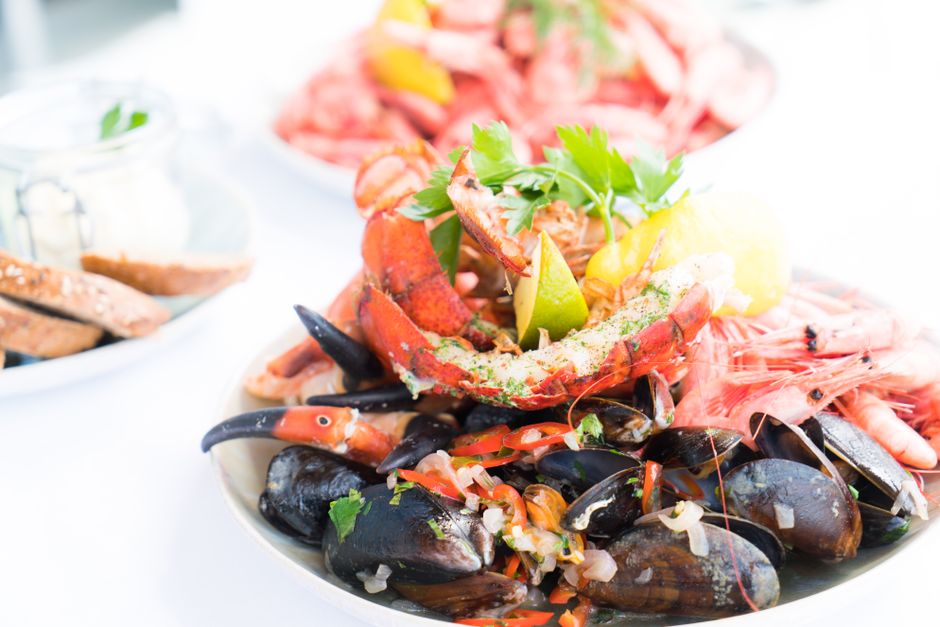
Photo by Terje Sollie on Pexels
Related reading: Whyhalal.
Sources
Written by
Kainat Elahiat Halal Nearby
Related articles
 Halal Food Guide
Understanding Halal: What It Means for Food
A comprehensive guide to understanding the meaning of halal in food, its significance, and implications for dietary choices.
 Food & Dining
Halal, Haram, and Doubtful Food: What Muslims Should Know
Understanding the principles of halal, haram, and doubtful foods is essential for Muslims who wish to adhere to their dietary guidelines. This article provides a comprehensive overview.
 Halal Dining
What Makes a Restaurant Truly Halal? A Simple Guide
Understanding what makes a restaurant truly halal is essential for Muslim diners. This guide explores the standards and practices that define halal dining.
 Halal Dining
How to Check If a Restaurant Is Truly Halal
Navigating the world of halal dining can be challenging. Here are some key steps to ensure that a restaurant truly meets halal standards.
More from Halal Nearby
 Halal Dining
Can Muslims Eat at Non-Halal Restaurants? A Comprehensive Guide
Explore the considerations for Muslims eating at non-halal restaurants, including personal choices, dietary restrictions, and available alternatives.
 Food & Community
Finding Community Through Halal Restaurants and Food
Explore how halal restaurants foster community connections while providing delicious dining options in Ontario's Greater Toronto Area.
 Halal Dining
Empowering Our Community: How Muslims Can Support Local Halal Businesses
Discover the ways Muslims can uplift local halal businesses, fostering a vibrant food culture in their communities.
 Dining
A Family Guide to Choosing Safe Halal Restaurants
Explore how Muslim families can effectively choose safe halal restaurants with our comprehensive guide, ensuring a delightful dining experience.
Other blogs you may like
 Food & Recipes
Asia mart
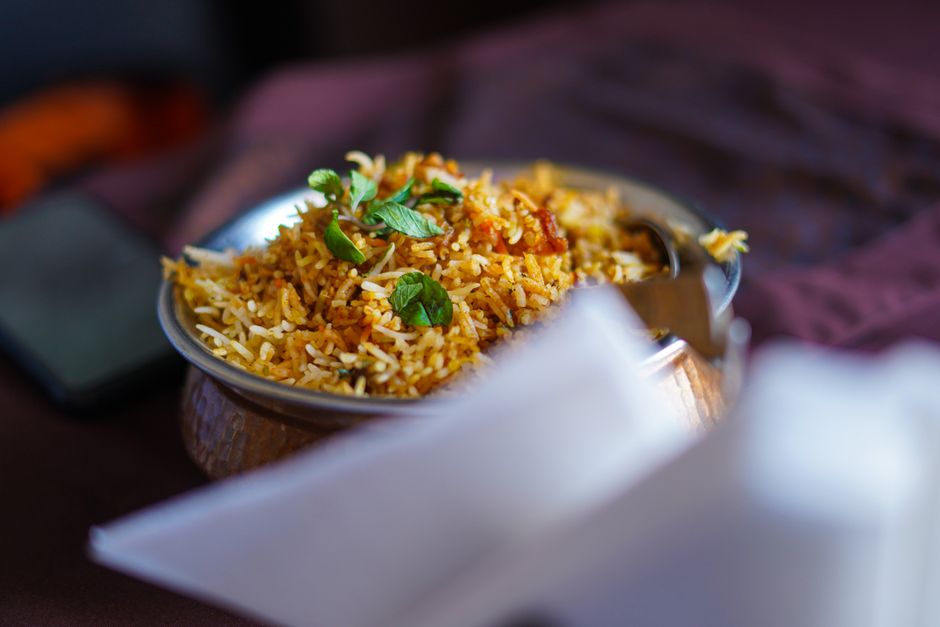
Elevate Your Biryani: Essential Ingredients to Buy Online in Korea
Discover the key ingredients needed to create the perfect biryani at home, and learn where to conveniently shop for them online in Korea.
 Archives Management
Archively AI
Making Archives Accessible: The Importance of WCAG, Alt Text, and Inclusive Descriptions
Accessibility in archives is more than a legal requirement; it's a commitment to inclusivity. Learn how WCAG guidelines, effective use of alt text, and thoughtful descriptions enhance access for all.