
Why Halal Certification Matters for Restaurants
Halal certification is increasingly important for restaurants to cater to a diverse clientele. This article explores its significance, the certification process, and how it impacts consumer trust.

Why Halal Certification Matters for Restaurants
In today's global culinary landscape, halal certification has become a significant aspect for restaurants aiming to cater to a diverse clientele. As the demand for halal food grows, understanding the importance of halal certification is essential for both restaurant owners and consumers.
What is Halal Certification?
Halal certification is a process that verifies whether a food product complies with Islamic law (Sharia). This involves ensuring that the ingredients, preparation methods, and overall handling of the food meet specific halal guidelines. A reliable halal certification body evaluates and certifies restaurants, providing assurance to consumers that the food served adheres to these guidelines.
Building Consumer Trust
One of the main reasons halal certification matters is that it builds trust among consumers. For many Muslims, eating halal is not just a dietary choice; it is a religious obligation. When a restaurant proudly displays its halal certification, it communicates to potential customers that their dietary needs and values are respected. This level of transparency fosters loyalty and encourages repeat business from the Muslim community and beyond.
Expanding Your Customer Base
Restaurants that obtain halal certification can tap into a broader market. With the increasing number of Muslims globally, especially in multicultural societies like Ontario and the Greater Toronto Area, failing to offer halal options could limit a restaurant's potential clientele. By catering to these dietary requirements, restaurants can attract not only Muslim customers but also those looking for ethically sourced and healthy food options.
The Certification Process
Obtaining halal certification involves a thorough process that includes:
- Application: Restaurants must apply to a recognized halal certification body, providing detailed information about their food sources and preparation methods.
- Inspection: A representative from the certification body will conduct an on-site inspection to verify compliance with halal guidelines.
- Training: Staff may need training on halal practices, ensuring that everyone is informed and compliant.
- Ongoing Audits: Certified restaurants undergo regular audits to maintain their certification, ensuring ongoing adherence to halal standards.
The process may seem rigorous, but it is essential to ensure quality and safety for consumers.
Advantages Beyond Certification
Halal certification can bring additional benefits to restaurants beyond simply attracting Muslim diners. These include:
- Food Safety: The halal certification process often emphasizes strict hygiene and food safety measures, resulting in higher-quality food.
- Positive Branding: Being halal certified can enhance a restaurant's brand image, appealing to a broader audience, including health-conscious and ethical consumers.
- Community Engagement: Supporting halal certification is a way of engaging positively with local communities, fostering an inclusive atmosphere.
Conclusion
In conclusion, halal certification is not just a stamp of approval; it represents a commitment to quality, safety, and inclusivity. For restaurants aiming to thrive in today's diverse culinary landscape, understanding and embracing halal certification can be a game-changer. Whether you are a restaurant owner or a consumer, knowing the significance of halal certification can enhance your dining experience. For more information on halal dining options in your area, visit Halal Nearby.
Image Credit
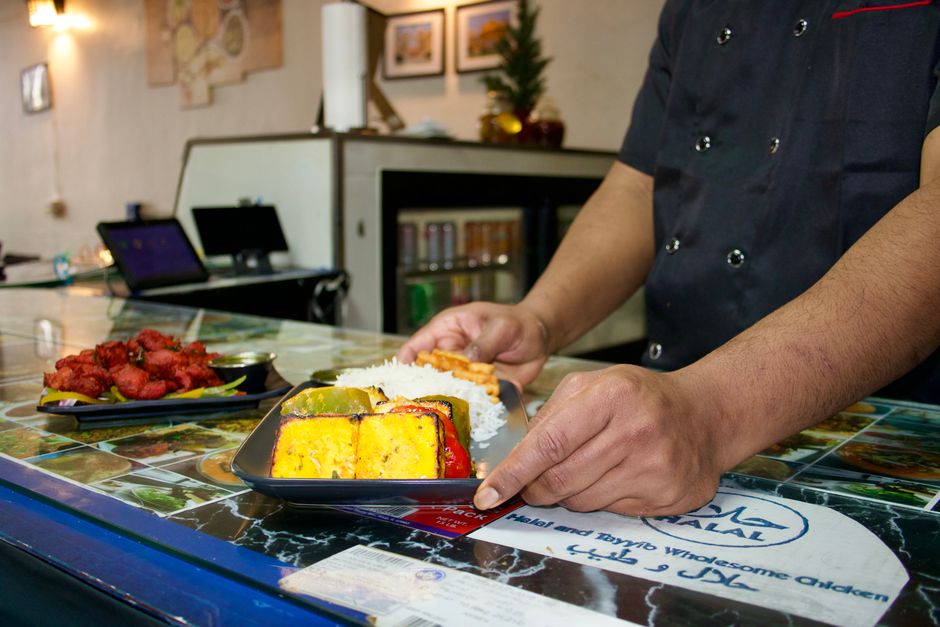 Photo by Fred Lee Jr on Pexels
Related reading: Whyhalal.
Sources
Written by
Kainat Elahiat Halal Nearby
Related articles
 Halal Food
Understanding Halal Certification for Food Businesses
Explore the intricate process of halal certification for food businesses and understand its significance in the halal food industry.
 Halal Dining
How to Check If a Restaurant Is Truly Halal
Navigating the world of halal dining can be challenging. Here are some key steps to ensure that a restaurant truly meets halal standards.
Halal DiningThe Importance of a Reliable Halal Food Guide for Urban Communities
In a culturally diverse world, cities increasingly require reliable halal food guides to cater to the needs of Muslim populations and food enthusiasts alike. This article explores the significance of having a dependable halal food guide in urban areas.
Halal DiningThe Essential Need for Verified Online Profiles for Halal Restaurants
In today's digital age, having a verified online profile is crucial for halal restaurants. This article explores why every halal restaurant should prioritize their online presence and how it can impact their success.
More from Halal Nearby
Halal DiningBoosting Visibility: How to Make Your Halal Restaurant Easier to Discover
Discover proven strategies to increase the visibility of your halal restaurant. Learn how to optimize your online presence and reach more customers effectively.
 Halal Dining
The Importance of Claiming Your Online Profile as a Halal Restaurant
In an age where online presence is crucial for business success, halal restaurants must prioritize claiming their online profiles. This article explores the benefits and strategies for enhancing visibility and customer engagement.
MarketingClaim Your Halal Restaurant Profile and Enhance Your Customer Reach
Discover how claiming your halal restaurant profile on Halal Nearby can help you reach more customers and build a loyal community.
Halal Restaurant ManagementA Step-by-Step Guide to Listing Your Halal Restaurant on HalalNearby
Unlock the potential of your halal restaurant by listing it on HalalNearby. This guide provides an easy-to-follow process for restaurant owners.
Other blogs you may like
 Food & Recipes
Asia mart
Elevate Your Biryani: Essential Ingredients to Buy Online in Korea
Discover the key ingredients needed to create the perfect biryani at home, and learn where to conveniently shop for them online in Korea.
 Archives Management
Archively
Making Archives Accessible: The Importance of WCAG, Alt Text, and Inclusive Descriptions
Accessibility in archives is more than a legal requirement; it's a commitment to inclusivity. Learn how WCAG guidelines, effective use of alt text, and thoughtful descriptions enhance access for all.
 Business Technology
EZLineup
Enhancing Customer Waiting Experience with Intelligent Line Management Solutions
Explore how businesses can transform their customer waiting experiences through advanced line management solutions, ensuring efficiency and satisfaction.
 Marketing
CrediBlog
Harnessing AI for Content Creation: Key Takeaways from the 'Is Thought Leadership Dead?' Webinar
This article summarizes the key insights from a webinar discussing the evolution of thought leadership in the age of AI, providing actionable strategies for marketers.