
Understanding Halal Certification for Food Businesses
Explore the intricate process of halal certification for food businesses and understand its significance in the halal food industry.

Understanding Halal Certification for Food Businesses
In today's diverse food landscape, halal certification has become a vital aspect for food businesses catering to the Muslim community. Understanding the halal certification process not only helps businesses tap into a growing market but also ensures that they comply with Islamic dietary laws. Here’s an in-depth look at how halal certification works and its significance.
What is Halal Certification?
Halal certification is a process that ensures food products comply with Islamic dietary laws as outlined in the Quran. The term 'halal' means permissible in Arabic, and it denotes items that are allowed for Muslims to consume. This certification is not only essential for meat products but also covers a wide range of food items, including dairy, beverages, and processed foods.
The Importance of Halal Certification
With a growing global Muslim population, halal certification opens doors to a substantial market. It enhances consumer trust and loyalty, as Muslims prefer to purchase products that are verified halal. Moreover, halal certification can also be a mark of quality and hygiene, appealing to a broader audience, including health-conscious consumers.
The Halal Certification Process
The halal certification process typically involves several key steps:
- Application: Food businesses seeking halal certification must first submit an application to a recognized halal certifying body.
- Documentation Review: The certifying body reviews the provided documentation, which includes ingredient lists, sourcing methods, and production processes.
- Facility Inspection: Inspectors visit the production facility to ensure compliance with halal standards. They verify that there is no contamination with non-halal substances during production and handling.
- Approval and Certification: If the facility passes inspection and all requirements are met, the certifying body issues a halal certificate, allowing the business to use halal labels on its products.
- Ongoing Compliance: Halal certification is not a one-time process. Regular audits and inspections are conducted to ensure ongoing compliance with halal standards.
Types of Halal Certifications
There are various types of halal certification available, depending on the products and processes involved:
- Slaughtering Certification: This is crucial for meat products, ensuring that animals are slaughtered according to Islamic law.
- Ingredient Certification: This ensures that all ingredients used in food products are halal and sourced from permissible suppliers.
- Process Certification: This verifies that the entire production process, including cleaning and handling, adheres to halal standards.
Challenges in Halal Certification
While the halal certification process is beneficial for food businesses, it can come with challenges. These may include:
- Lack of Awareness: Some businesses may not fully understand the requirements for obtaining halal certification.
- Inconsistent Standards: Different certifying bodies may have varying standards, leading to confusion among consumers.
Conclusion
Halal certification plays a crucial role in bridging the gap between food producers and the Muslim community, ensuring that dietary laws are respected and followed. For businesses, obtaining halal certification can lead to increased market access and consumer trust. As the halal food industry continues to grow, understanding and adhering to the halal certification process will be essential for food businesses.
For more information on halal dining options and tips, visit Halal Nearby.
Explore the diverse flavors and halal dining experiences available in your area!

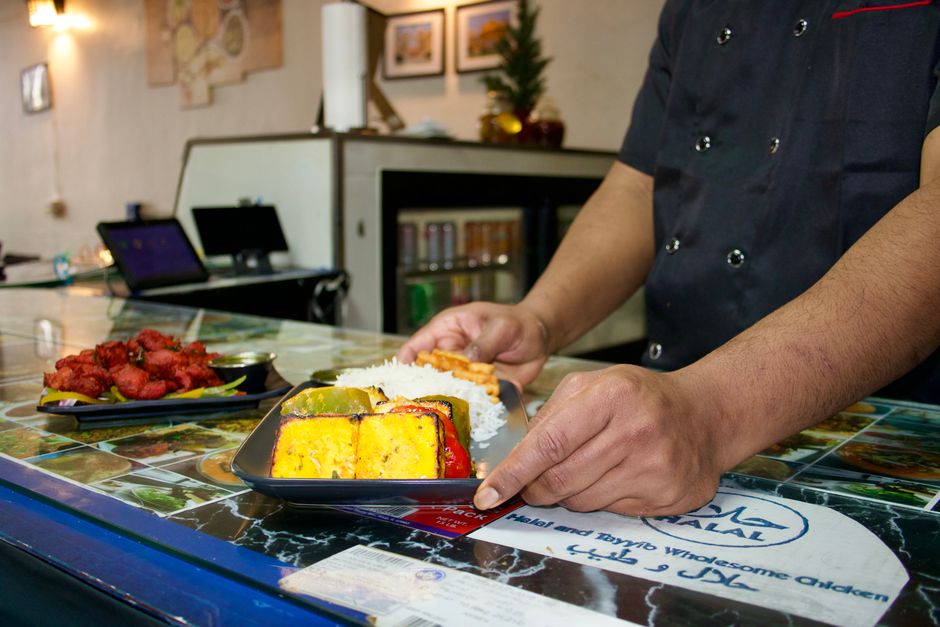
Photo by khezez | خزاز on Pexels
Related reading: Whyhalal.
Sources
Written by
Kainat Elahiat Halal Nearby
Related articles
 Halal Dining
Why Halal Certification Matters for Restaurants
Halal certification is increasingly important for restaurants to cater to a diverse clientele. This article explores its significance, the certification process, and how it impacts consumer trust.
 Halal Food Guide
Understanding Halal: What It Means for Food
A comprehensive guide to understanding the meaning of halal in food, its significance, and implications for dietary choices.
 Halal Dining
How to Check If a Restaurant Is Truly Halal
Navigating the world of halal dining can be challenging. Here are some key steps to ensure that a restaurant truly meets halal standards.
 Food & Dining
How to Read Food Labels for Halal Ingredients
Navigating food labels is essential for ensuring the ingredients align with halal dietary laws. This article guides you through the process of reading food labels to identify halal ingredients.
More from Halal Nearby
Halal DiningBoosting Visibility: How to Make Your Halal Restaurant Easier to Discover
Discover proven strategies to increase the visibility of your halal restaurant. Learn how to optimize your online presence and reach more customers effectively.
 Halal Dining
The Essential Need for Verified Online Profiles for Halal Restaurants
In today's digital age, having a verified online profile is crucial for halal restaurants. This article explores why every halal restaurant should prioritize their online presence and how it can impact their success.
 Halal Dining
The Importance of Claiming Your Online Profile as a Halal Restaurant
In an age where online presence is crucial for business success, halal restaurants must prioritize claiming their online profiles. This article explores the benefits and strategies for enhancing visibility and customer engagement.
MarketingClaim Your Halal Restaurant Profile and Enhance Your Customer Reach
Discover how claiming your halal restaurant profile on Halal Nearby can help you reach more customers and build a loyal community.
Other blogs you may like
 Food & Recipes
Asia mart
Elevate Your Biryani: Essential Ingredients to Buy Online in Korea
Discover the key ingredients needed to create the perfect biryani at home, and learn where to conveniently shop for them online in Korea.
 Business Technology
EZLineup
Enhancing Customer Waiting Experience with Intelligent Line Management Solutions
Explore how businesses can transform their customer waiting experiences through advanced line management solutions, ensuring efficiency and satisfaction.
 Marketing
CrediBlog
Harnessing AI for Content Creation: Key Takeaways from the 'Is Thought Leadership Dead?' Webinar
This article summarizes the key insights from a webinar discussing the evolution of thought leadership in the age of AI, providing actionable strategies for marketers.
 Weddings
Your Limo Ride Online
Why a Party Bus is the Perfect Choice for Your Wedding in New York and New Jersey
Discover how a party bus can enhance your wedding experience in New York and New Jersey, making transportation fun, stylish, and stress-free for you and your guests.