
How to Read Food Labels for Halal Ingredients
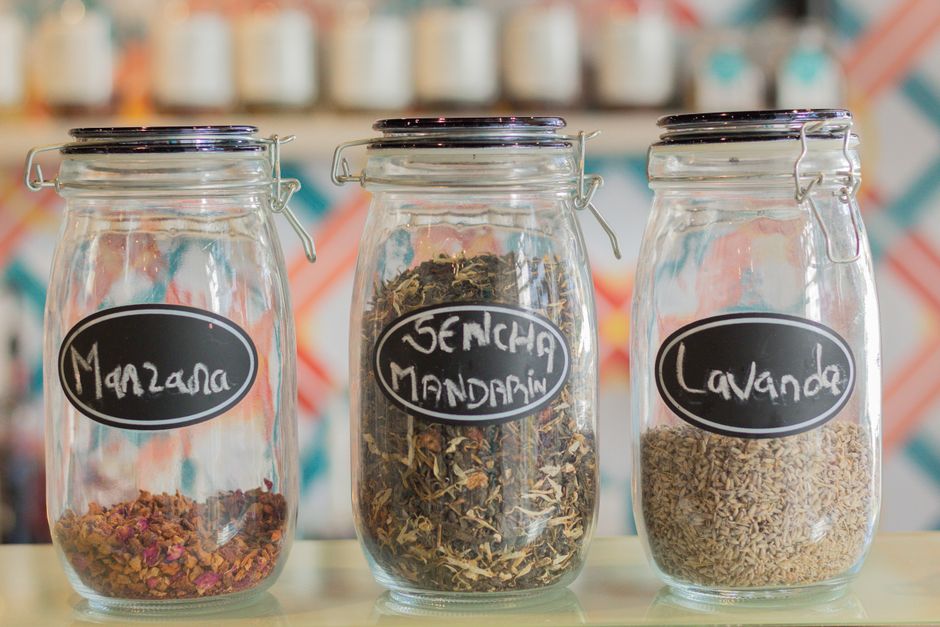
Navigating food labels is essential for ensuring the ingredients align with halal dietary laws. This article guides you through the process of reading food labels to identify halal ingredients.
Understanding the Importance of Halal Ingredients
For many Muslims, adhering to halal dietary laws is fundamental to their lifestyle. This involves not only choosing foods that are labeled as halal but also understanding how to read food labels to confirm the ingredients align with these laws. In this article, we will guide you through the process of reading food labels for halal ingredients, ensuring your dietary choices are consistent with your beliefs.
What Does Halal Mean?
Halal is an Arabic word meaning 'permissible' in Islam. Foods must meet specific criteria to be considered halal, including the source of the ingredients and the method of preparation. Familiarizing yourself with halal principles is essential before diving into the specifics of food labels. For a more detailed understanding of what halal means for food, you can check out our guide on Understanding Halal.
Key Components of Food Labels
Food labels contain various sections that provide essential information. Here are the key components to look for:
- Ingredient List: This section lists all ingredients in descending order by weight. Pay close attention to this list, as it will reveal hidden ingredients that may not be halal.
- Nutritional Information: While this section primarily focuses on nutritional content, it may also offer insight into certain additives that could be of concern.
- Allergen Information: This section is crucial for those with food allergies, but it can also indicate whether certain ingredients are halal.
- Certification Logos: Look for halal certification symbols from recognized organizations. These logos often provide assurance that the product meets halal standards.
Identifying Halal Ingredients
When reading food labels, it is important to be aware of common non-halal ingredients that may appear in various products. Here are some tips to help you identify halal ingredients:
- Avoid Certain Additives: Ingredients such as gelatin (which can be derived from non-halal sources) and certain enzymes may be derived from animals not slaughtered according to Islamic law. Always check their source.
- Be Cautious with Alcohol: Alcohol is haram (forbidden) in Islam. Some food products may contain alcohol as a flavoring or preservative. Look for alternatives that clearly state they are alcohol-free.
- Research Unfamiliar Terms: If you come across ingredients like E-numbers or unfamiliar terms, take the time to research them. Websites dedicated to halal dining often provide extensive lists of acceptable and forbidden ingredients.
- Halal Certification: Products that carry a halal certification logo are generally safe choices. However, it’s important to verify that the certifying body is reputable.
Practical Steps to Take
To ensure you are making halal choices, here are some practical steps you can take:
- Educate Yourself: Familiarize yourself with halal dietary laws and common haram ingredients. Consider attending workshops or reading informative articles.
- Stay Updated: The food industry is continuously evolving, with new products and ingredients constantly emerging. Stay informed about new halal certifications and any changes to existing products.
- Ask Questions: Don’t hesitate to reach out to manufacturers or restaurants if you're unsure about the halal status of a product. Most are willing to provide information.
- Use Apps and Online Resources: Numerous resources are available, including apps that help identify halal food products and restaurants. Leverage these tools to make informed choices.
Conclusion
Reading food labels for halal ingredients may seem daunting at first, but with practice, it can become a straightforward process. By understanding what to look for and being vigilant about the ingredients in your food, you can confidently enjoy meals that align with your halal dietary requirements. Remember to utilize resources available through platforms like Halal Nearby to assist in your halal dining journey.

Photo by cottonbro studio on Pexels
Sources
Written by
Kainat Elahiat Halal Nearby
Related articles
 Halal Food Guide
Understanding Halal: What It Means for Food
A comprehensive guide to understanding the meaning of halal in food, its significance, and implications for dietary choices.
 Food & Dining
Unveiling Common Haram Ingredients Hidden in Everyday Foods
Discover the hidden haram ingredients in everyday foods and learn how to make informed choices while dining. This article highlights some common ingredients to watch out for and offers tips for halal adherence.
 Halal Dining
How to Check If a Restaurant Is Truly Halal
Navigating the world of halal dining can be challenging. Here are some key steps to ensure that a restaurant truly meets halal standards.
 Halal Food
Understanding Halal Certification for Food Businesses
Explore the intricate process of halal certification for food businesses and understand its significance in the halal food industry.
More from Halal Nearby
Halal DiningBoosting Visibility: How to Make Your Halal Restaurant Easier to Discover
Discover proven strategies to increase the visibility of your halal restaurant. Learn how to optimize your online presence and reach more customers effectively.
 Halal Dining
The Essential Need for Verified Online Profiles for Halal Restaurants
In today's digital age, having a verified online profile is crucial for halal restaurants. This article explores why every halal restaurant should prioritize their online presence and how it can impact their success.
 Halal Dining
The Importance of Claiming Your Online Profile as a Halal Restaurant
In an age where online presence is crucial for business success, halal restaurants must prioritize claiming their online profiles. This article explores the benefits and strategies for enhancing visibility and customer engagement.
MarketingClaim Your Halal Restaurant Profile and Enhance Your Customer Reach
Discover how claiming your halal restaurant profile on Halal Nearby can help you reach more customers and build a loyal community.
Other blogs you may like
 Food & Recipes
Asia mart
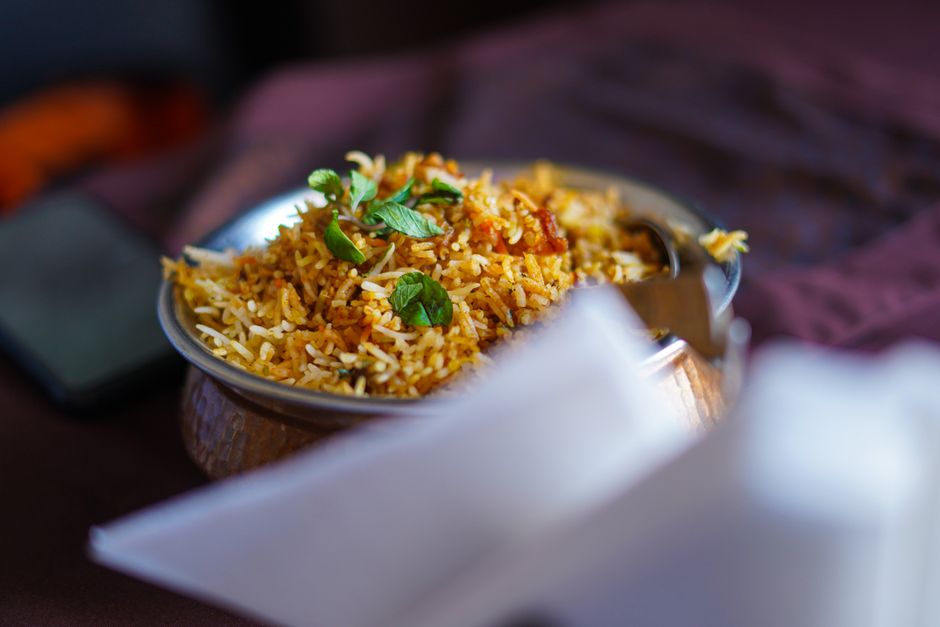
Elevate Your Biryani: Essential Ingredients to Buy Online in Korea
Discover the key ingredients needed to create the perfect biryani at home, and learn where to conveniently shop for them online in Korea.
 Business Technology
EZLineup
Enhancing Customer Waiting Experience with Intelligent Line Management Solutions
Explore how businesses can transform their customer waiting experiences through advanced line management solutions, ensuring efficiency and satisfaction.
 Marketing
CrediBlog
Harnessing AI for Content Creation: Key Takeaways from the 'Is Thought Leadership Dead?' Webinar
This article summarizes the key insights from a webinar discussing the evolution of thought leadership in the age of AI, providing actionable strategies for marketers.
 Weddings
Your Limo Ride Online
Why a Party Bus is the Perfect Choice for Your Wedding in New York and New Jersey
Discover how a party bus can enhance your wedding experience in New York and New Jersey, making transportation fun, stylish, and stress-free for you and your guests.