
Enhancing Archival Descriptions for Improved Research Accessibility
Discover how to craft better archival descriptions that enhance discoverability and utility for researchers, leveraging best practices and modern tools.

Understanding the Importance of Archival Descriptions
Archival descriptions serve as vital tools for researchers seeking to navigate the rich and often complex world of archival materials. A well-crafted description not only provides essential details about a collection but also enhances its discoverability in a digital environment. In today's research landscape, where information is abundant but often scattered, ensuring that your archival descriptions are clear, concise, and comprehensive is key.
Key Components of Effective Archival Descriptions
To create descriptions that resonate with researchers, consider the following components:
- Clarity: Use straightforward language that avoids jargon. Researchers from various backgrounds should be able to understand your descriptions without needing specialized knowledge.
- Comprehensiveness: Include all relevant details about the collection, including its creator, date range, extent, and a brief overview of the contents. The goal is to provide a snapshot that conveys the significance and scope of the materials.
- Context: Offer background information that situates the collection within a broader historical or thematic framework. This helps researchers grasp the collection's relevance to their own work.
- Access Conditions: Clearly state any restrictions on access or use of the materials. This transparency builds trust and allows researchers to plan their inquiries accordingly.
- Use of Standards: Adhere to established standards like ISAD(G), EAD, and MARC21 to ensure consistency and interoperability with other archival descriptions.
Utilizing AI in Archival Descriptions
Advancements in technology, particularly artificial intelligence (AI), provide new opportunities for enhancing archival descriptions. Archively AI, for instance, offers tools that automate aspects of the description process, saving archivists valuable time while maintaining high-quality output. By leveraging AI cataloging, archivists can streamline their workflows and focus on creating richer, more meaningful content for researchers.
Best Practices for Writing Descriptions
Here are some practical tips for writing archival descriptions that researchers will find useful:
- Start with a Template: Utilize established templates or frameworks for archival descriptions. This ensures consistency across your collections and can save time during the writing process.
- Engage with Users: Gather feedback from researchers who interact with your archives. Understanding their needs can inform your writing and help tailor descriptions to better serve their inquiries.
- Regular Updates: Treat archival descriptions as living documents. As collections grow or change, ensure that descriptions are updated to reflect their current state accurately.
- Integrate Keywords: Include relevant keywords throughout your descriptions. This will improve searchability, both within your institution’s catalog and on search engines, making it easier for researchers to find your materials.
- Test Your Descriptions: Conduct user testing to see how real researchers engage with your descriptions. This can reveal gaps and opportunities for improvement.
Conclusion
Effective archival descriptions are crucial for enhancing the accessibility and usability of archival materials. By understanding the key components of good descriptions, utilizing AI tools, and following best practices, archivists can significantly improve the odds that researchers will find and engage with their collections. As the landscape of research continues to evolve, so too must our approaches to archival description.
For more insights and resources on archival management, explore our offerings at Archively AI.
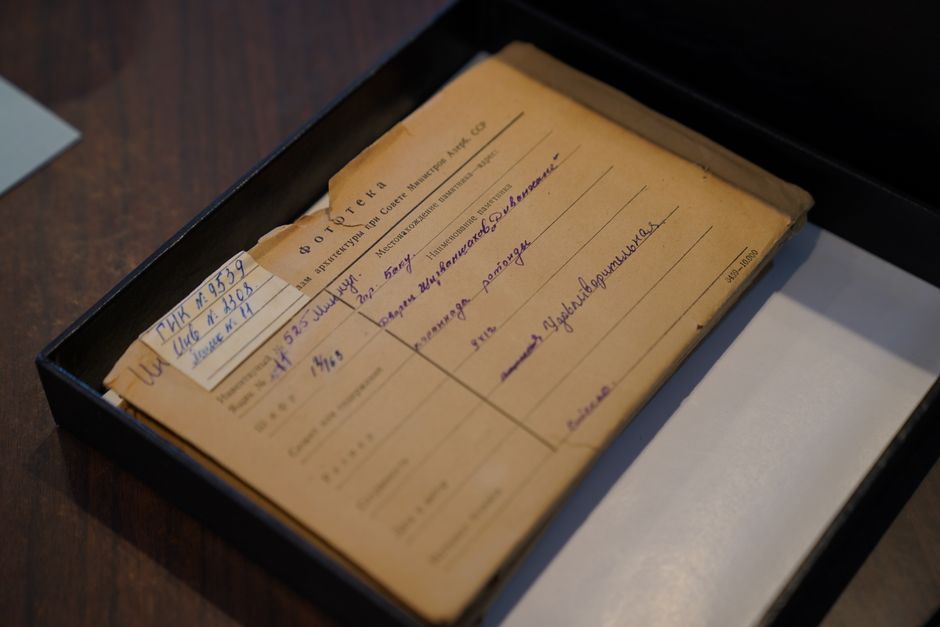
Photo by Tahir Xəlfəquliyev on Pexels
Sources
Written by
Onboarding Team at Archively
Related articles
 Archive Management
How to Publish Your Archive Online and Get It Found by Researchers
Discover how to effectively publish your archive online and increase its visibility to researchers. Learn about best practices, tools, and strategies for successful digital archiving.
 Archives Management
Making Archives Accessible: The Importance of WCAG, Alt Text, and Inclusive Descriptions
Accessibility in archives is more than a legal requirement; it's a commitment to inclusivity. Learn how WCAG guidelines, effective use of alt text, and thoughtful descriptions enhance access for all.
 Archive Management
Accessioning 101: From Donation to Searchable Record
Discover the essential steps of the accessioning process in archival management. This guide explains how to transform donations into searchable records using modern archival tools.
 Digital Archives
The Complete Beginner's Guide to Digital Archive Management
Explore the essentials of digital archive management, including best practices, software solutions, and the transformative role of technology in preserving history.
More from Archively
 Technology
How Small Archives Are Reaching Global Audiences Online
Explore how small archives leverage digital platforms to connect with global audiences, enhance visibility, and foster community engagement.
 Archive Management
Building an Archival Workflow: Accessioned to Published in 5 Stages
Learn how to transform your archival process from accessioning to publication through an efficient five-stage workflow.
 Archive Management
Crosswalking Metadata: Moving Collections Between Standards Without Losing Data
Learn how to effectively crosswalk metadata to seamlessly transfer collections between different standards while preserving data integrity.
 Archival Management
Seamlessly Importing Data from Google Drive, Box, and SharePoint into Your Archive
Explore effective strategies for importing data from popular cloud storage services like Google Drive, Box, and SharePoint into your archival management system.
Other blogs you may like
 Halal Dining
Halal Nearby
Boosting Visibility: How to Make Your Halal Restaurant Easier to Discover
Discover proven strategies to increase the visibility of your halal restaurant. Learn how to optimize your online presence and reach more customers effectively.
 Marketing
CrediBlog
Harnessing AI for Content Creation: Key Takeaways from the 'Is Thought Leadership Dead?' Webinar
This article summarizes the key insights from a webinar discussing the evolution of thought leadership in the age of AI, providing actionable strategies for marketers.
 Business Technology
EZLineup
Enhancing Customer Waiting Experience with Intelligent Line Management Solutions
Explore how businesses can transform their customer waiting experiences through advanced line management solutions, ensuring efficiency and satisfaction.
 Food & Recipes
Asia mart
Elevate Your Biryani: Essential Ingredients to Buy Online in Korea
Discover the key ingredients needed to create the perfect biryani at home, and learn where to conveniently shop for them online in Korea.