
How to Digitize a Physical Archive: A Step-by-Step Guide for 2026
Digitizing a physical archive is a complex but rewarding task. This guide outlines the essential steps to successfully transition to a digital archive in 2026.
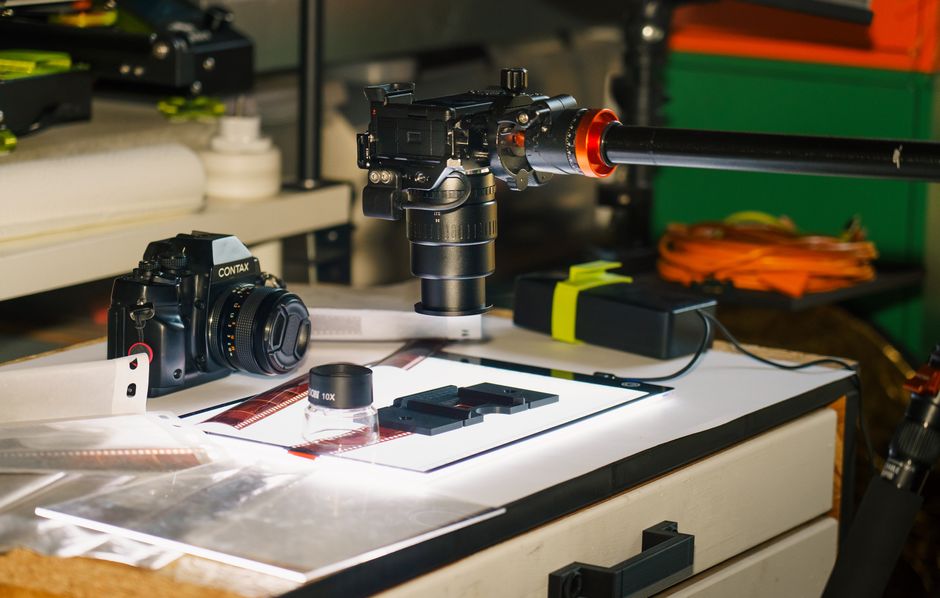
Introduction
In an increasingly digital world, the importance of transitioning physical archives to digital formats cannot be overstated. With a wealth of information stored in libraries, museums, and other institutions, digitization not only preserves these records but also enhances accessibility. This guide outlines the essential steps to successfully digitize a physical archive in 2026.
Step 1: Assess Your Collection
Begin by evaluating the size and condition of your physical archive. Take inventory of the types of materials you possess, such as documents, photographs, film, and artifacts. Understanding the scope of your collection will help you prioritize the digitization process.
Step 2: Develop a Digitization Plan
Creating a comprehensive digitization plan is crucial. This plan should define your goals, budget, timeline, and the resources needed for the project. Consider whether you want to digitize everything at once or phase the process over time. Include the technology requirements, such as scanners and software, in your planning.
Step 3: Choose the Right Equipment and Software
Investing in appropriate equipment is vital for high-quality digitization. Select scanners that can handle various materials, ensuring you have options for flat items like documents and 3D objects like artifacts. Additionally, archival management software is essential for organizing and keeping track of your digital files. Explore cloud archive management software that offers secure storage and easy access.
Step 4: Prepare Items for Digitization
Prior to scanning, prepare your items carefully. Clean documents and photographs to remove any dirt or residue without damaging them. For delicate items, consult with a conservator to ensure they are handled properly. Proper preparation minimizes the risk of damage during the digitization process.
Step 5: Begin the Digitization Process
Once your preparations are complete, start the digitization process. Ensure that you have a consistent scanning setup to maintain quality. Use metadata standards to document the details of each item as they are digitized. This step is crucial for future retrieval and organization.
Step 6: Quality Control
After digitizing, conduct a quality control check on the digital files. Verify that the scans are clear and that metadata is correctly applied. It’s important to ensure that each file is a true representation of the original item. This might involve spot-checking a selection of files for quality assurance.
Step 7: Organize and Store Your Digital Archive
Once digitization is complete, organize your files in a structured manner. Use an archival description software to maintain a clear record of your digital archive. Proper organization enhances usability and accessibility. Ensure you have a reliable backup system in place, utilizing cloud storage options to prevent data loss.
Step 8: Share and Promote Your Digital Archive
After your digital archive is organized, consider how you will share it with the public or your target audience. A well-designed platform can facilitate access to your collections. Promote your digital archive through various channels to increase awareness and encourage usage.
Conclusion
Digitizing a physical archive is an intricate process that, when done correctly, can greatly enhance the preservation and accessibility of valuable information. By following this step-by-step guide, archivists, librarians, and museum professionals can streamline their transition to a digital archive in 2026. For additional insights and tools, consider exploring Archively AI, which offers innovative solutions tailored for archival management.

Photo by Jakub Zerdzicki on Pexels
Related reading: About.
Sources
Written by
Onboarding Team at Archively
Related articles
 Digital Archives
The Complete Beginner's Guide to Digital Archive Management
Explore the essentials of digital archive management, including best practices, software solutions, and the transformative role of technology in preserving history.
 Digital Archives
Building a Digital Archive on a Small Museum Budget: A Practical Guide
Creating a digital archive can be achievable even on a small museum budget. This guide provides actionable steps, tips, and tools to help museums digitize their collections efficiently.
 Software Comparison
Best Digital Archive Software for Museums in 2026: A Comprehensive Comparison Guide
Explore the best digital archive software options for museums in 2026. This guide covers features, pricing, and suitability for varying museum needs.
 Technology
How AI Is Transforming Archival Cataloging in 2026
Explore the transformative impact of artificial intelligence on archival cataloging in 2026, focusing on enhanced efficiency, accuracy, and accessibility in archival management.
More from Archively
 Technology
How Small Archives Are Reaching Global Audiences Online
Explore how small archives leverage digital platforms to connect with global audiences, enhance visibility, and foster community engagement.
 Archive Management
Building an Archival Workflow: Accessioned to Published in 5 Stages
Learn how to transform your archival process from accessioning to publication through an efficient five-stage workflow.
 Archive Management
Crosswalking Metadata: Moving Collections Between Standards Without Losing Data
Learn how to effectively crosswalk metadata to seamlessly transfer collections between different standards while preserving data integrity.
 Archival Management
Seamlessly Importing Data from Google Drive, Box, and SharePoint into Your Archive
Explore effective strategies for importing data from popular cloud storage services like Google Drive, Box, and SharePoint into your archival management system.
Other blogs you may like
 Marketing
CrediBlog
Harnessing AI for Content Creation: Key Takeaways from the 'Is Thought Leadership Dead?' Webinar
This article summarizes the key insights from a webinar discussing the evolution of thought leadership in the age of AI, providing actionable strategies for marketers.
 Business Technology
EZLineup
Enhancing Customer Waiting Experience with Intelligent Line Management Solutions
Explore how businesses can transform their customer waiting experiences through advanced line management solutions, ensuring efficiency and satisfaction.
 Halal Food
Halal Nearby
The Future of Halal Food Discovery: Trends and Innovations
Explore the evolving landscape of halal food discovery with technology-driven solutions, market trends, and the rise of digital platforms.