
IIIF Explained: The Standard Powering Zoomable Digital Collections
The International Image Interoperability Framework (IIIF) is revolutionizing the way digital collections are accessed and utilized. This article delves into IIIF's functionalities and its implications for archivists and digital libraries.

Introduction to IIIF
The International Image Interoperability Framework (IIIF) has emerged as a transformative standard for sharing and accessing digital images. By enabling zoomable images and standardized metadata, IIIF enhances the way users interact with digital collections in libraries, museums, and archives alike.
What is IIIF?
At its core, IIIF is a set of shared application programming interfaces (APIs) that facilitate the integration of images and other digital content. It provides a way to deliver high-quality images over the web while ensuring that they can be easily accessed and utilized across different platforms and institutions. With IIIF, a user can access a single image file but view it through various IIIF-compatible viewers, enhancing their experience by providing dynamic functionalities such as zooming, panning, and layering.
Key Features of IIIF
- Zoomable Images: One of the standout features of IIIF is its ability to provide high-resolution images that users can zoom into without losing quality. This is particularly beneficial for detailed artworks, historical documents, and scientific illustrations.
- Interoperability: IIIF promotes interoperability among different institutions' digital collections. This means that users can easily access and compare materials from various sources, fostering collaboration and research.
- Rich Metadata: IIIF supports the integration of rich metadata, allowing users to explore additional context about the images they are viewing. This includes details about the creator, historical significance, and related works.
Benefits of Using IIIF in Digital Collections
Implementing IIIF in digital archives offers numerous advantages:
- Enhanced User Experience: With IIIF's zooming capabilities and user-friendly interfaces, users enjoy a more engaging experience when exploring digital collections.
- Increased Accessibility: IIIF allows institutions to make their collections more accessible, particularly for researchers and scholars who require detailed examinations of images.
- Facilitated Collaboration: By standardizing image delivery, IIIF encourages collaboration between different institutions, enabling them to share resources more effectively.
How IIIF is Being Used Today
Many leading libraries, museums, and archives have adopted IIIF to enhance their digital offerings. For example, institutions like The National Archives and the University of California, Santa Barbara have utilized IIIF to create immersive platforms for users to explore vast collections of historical documents and artworks.
Conclusion
As digital collections continue to grow, the need for standards like IIIF becomes increasingly critical. By providing a platform for zoomable, interoperable, and richly detailed images, IIIF is setting new benchmarks in the field of digital archiving. For archivists and institutions, adopting IIIF is not just about keeping up with technology; it's about enhancing the accessibility and usability of cultural heritage materials.
To learn more about how you can leverage modern archive management software to implement IIIF and improve your collections, visit Archively AI.

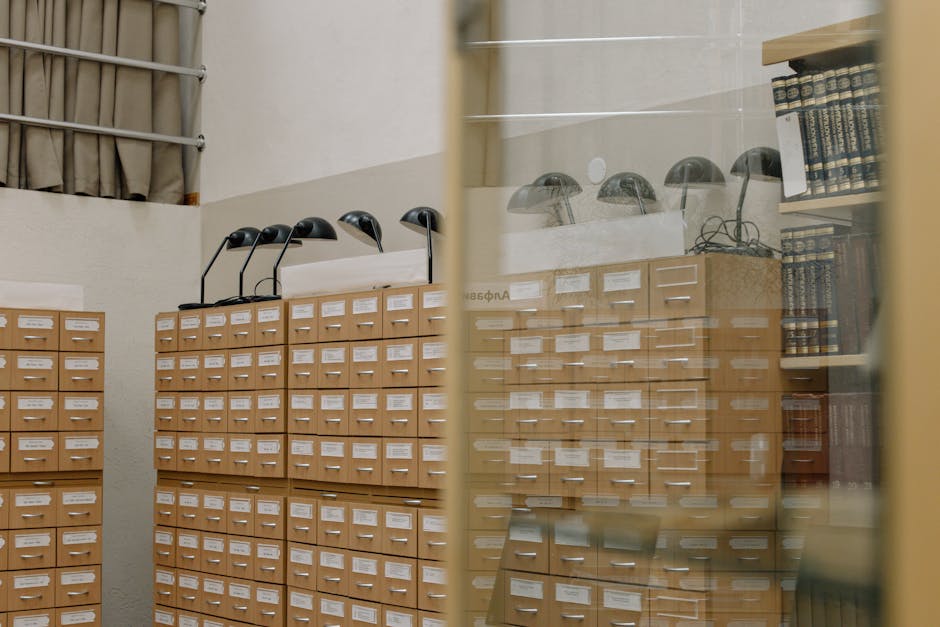
Photo by www.kaboompics.com on Pexels
Sources
Written by
Onboarding Team at Archively
Related articles
 Archive Management
10 Stunning Digital Archives That Set the Standard for Online Collections
Explore ten exemplary digital archives that showcase the best practices in online collection management and accessibility, inspiring archivists everywhere.
 Technology
How AI Is Transforming Archival Cataloging in 2026
Explore the transformative impact of artificial intelligence on archival cataloging in 2026, focusing on enhanced efficiency, accuracy, and accessibility in archival management.
 Archive Management
How OAI-PMH Facilitates Collection Discovery for Aggregators
Explore how the Open Archives Initiative Protocol for Metadata Harvesting (OAI-PMH) enhances visibility for your digital collections, making them accessible to aggregators and researchers alike.
TechnologyUnlocking the Power of Digital Archiving for Religious and Community Organizations
Explore how digital archiving revolutionizes the way religious and community organizations manage their historical records, ensuring preservation and accessibility for future generations.
More from Archively
 Technology
How Small Archives Are Reaching Global Audiences Online
Explore how small archives leverage digital platforms to connect with global audiences, enhance visibility, and foster community engagement.
 Archive Management
Building an Archival Workflow: Accessioned to Published in 5 Stages
Learn how to transform your archival process from accessioning to publication through an efficient five-stage workflow.
 Archive Management
Crosswalking Metadata: Moving Collections Between Standards Without Losing Data
Learn how to effectively crosswalk metadata to seamlessly transfer collections between different standards while preserving data integrity.
 Archival Management
Seamlessly Importing Data from Google Drive, Box, and SharePoint into Your Archive
Explore effective strategies for importing data from popular cloud storage services like Google Drive, Box, and SharePoint into your archival management system.
Other blogs you may like
 Marketing
CrediBlog
Harnessing AI for Content Creation: Key Takeaways from the 'Is Thought Leadership Dead?' Webinar
This article summarizes the key insights from a webinar discussing the evolution of thought leadership in the age of AI, providing actionable strategies for marketers.
 Halal Food
Halal Nearby
The Future of Halal Food Discovery: Trends and Innovations
Explore the evolving landscape of halal food discovery with technology-driven solutions, market trends, and the rise of digital platforms.
 Business Technology
EZLineup
Enhancing Customer Waiting Experience with Intelligent Line Management Solutions
Explore how businesses can transform their customer waiting experiences through advanced line management solutions, ensuring efficiency and satisfaction.