
Authority Records Demystified: People, Families, and Organizations in EAC-CPF
Explore the significance of authority records in archival practice, focusing on the EAC-CPF standard for documenting people, families, and organizations.

Introduction to Authority Records
Authority records are a fundamental part of archival and library practices, serving as the backbone for organizing and retrieving information about individuals, families, and organizations. The Encoded Archival Context - Corporate Bodies, Persons, and Families (EAC-CPF) is a standard designed to facilitate the creation and management of authority records in a digital environment. This article will demystify EAC-CPF and highlight its significance in archival management.
Understanding EAC-CPF
EAC-CPF is a metadata standard that allows archivists to create standardized records for corporate bodies, persons, and families. It enhances the discovery of archival materials by providing context for these entities, which is crucial for researchers looking for specific information. According to the National Archives, this framework enables seamless data sharing and interoperability among different archival systems.
The Structure of EAC-CPF
EAC-CPF records are structured to include various elements that describe entities comprehensively. These elements typically consist of:
- Identification: Unique identifiers for the entities.
- Name: The official name of the person, family, or organization.
- Biography: A brief history or biography providing context.
- Relationships: Links to related entities, demonstrating connections.
- Sources: References to documents or other records that validate the information.
The Importance of Authority Records
Authority records are essential for several reasons:
- Consistency: They ensure consistent naming conventions across collections, making it easier for users to locate records.
- Disambiguation: By distinguishing between individuals with similar names, authority records reduce confusion.
- Contextualization: They provide valuable context, helping users understand the relationships between entities.
Authority Records for People
Authority records for individuals often include biographical information that highlights their significance. For example, an authority record for a historical figure might detail their contributions to society and include relevant dates and events. This information is crucial for researchers who seek to understand the broader context of an individual’s life and work.
Authority Records for Families
Family authority records document lineage and relationships, offering insight into family dynamics. These records can be particularly useful in genealogical research, where understanding family connections is vital.
Authority Records for Organizations
For organizations, authority records capture essential details about their history, mission, and operations. These records can assist archivists in categorizing materials related to the organization and help users find relevant documents associated with it.
Implementing EAC-CPF in Your Archival Practice
Incorporating EAC-CPF into an archival management system requires a thoughtful approach. Here are some steps to consider:
- Training: Staff should receive training on EAC-CPF and its benefits to maximize its potential.
- Software Compatibility: Ensure that your archival management software can support EAC-CPF standards. Archively.AI, for example, offers cloud archive management software that complies with various standards, including EAC-CPF.
- Consistent Updates: Regularly update authority records to ensure accuracy over time.
Conclusion
The use of authority records in archival practice is indispensable for effective collection management. By applying the EAC-CPF standard, archivists can enhance the accessibility and understanding of the records they maintain. As digital archives continue to evolve, embracing frameworks like EAC-CPF will be crucial for fostering collaboration and improving information retrieval.
For more information on how to implement effective archival practices and utilize the latest in archival management software, visit Archively.AI today.

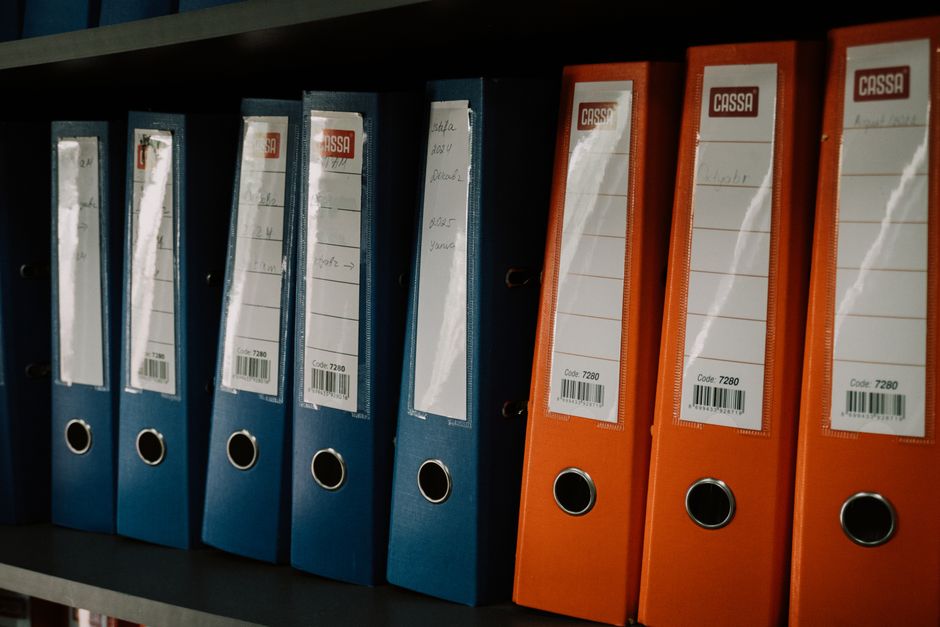
Photo by RDNE Stock project on Pexels.
Sources
Written by
Onboarding Team at Archively
Related articles
 Archival Management
What Is an EAD Finding Aid and Why Does It Matter?
Explore the significance of EAD finding aids in archival management, their components, and how they enhance accessibility in digital archives.
 Archive Management
Accessioning 101: From Donation to Searchable Record
Discover the essential steps of the accessioning process in archival management. This guide explains how to transform donations into searchable records using modern archival tools.
 Records Management
Corporate Records Management: Turning Compliance Into a Searchable Asset
Discover how effective corporate records management can transform compliance requirements into a searchable, accessible asset for organizations.
 Technology
Unlocking the Power of Digital Archiving for Religious and Community Organizations
Explore how digital archiving revolutionizes the way religious and community organizations manage their historical records, ensuring preservation and accessibility for future generations.
More from Archively
 Technology
How Small Archives Are Reaching Global Audiences Online
Explore how small archives leverage digital platforms to connect with global audiences, enhance visibility, and foster community engagement.
 Archive Management
Building an Archival Workflow: Accessioned to Published in 5 Stages
Learn how to transform your archival process from accessioning to publication through an efficient five-stage workflow.
 Archive Management
Crosswalking Metadata: Moving Collections Between Standards Without Losing Data
Learn how to effectively crosswalk metadata to seamlessly transfer collections between different standards while preserving data integrity.
 Archival Management
Seamlessly Importing Data from Google Drive, Box, and SharePoint into Your Archive
Explore effective strategies for importing data from popular cloud storage services like Google Drive, Box, and SharePoint into your archival management system.
Other blogs you may like
 Halal Food
Halal Nearby
Understanding Halal Certification for Food Businesses
Explore the intricate process of halal certification for food businesses and understand its significance in the halal food industry.
 Marketing
CrediBlog
Harnessing AI for Content Creation: Key Takeaways from the 'Is Thought Leadership Dead?' Webinar
This article summarizes the key insights from a webinar discussing the evolution of thought leadership in the age of AI, providing actionable strategies for marketers.
 Business Technology
EZLineup
Enhancing Customer Waiting Experience with Intelligent Line Management Solutions
Explore how businesses can transform their customer waiting experiences through advanced line management solutions, ensuring efficiency and satisfaction.