Digital Preservation Explained: Keeping Files Readable for 100 Years
Digital preservation is crucial for maintaining the accessibility of digital files over the long term. This article delves into the strategies and technologies that ensure files remain readable for generations.

Understanding Digital Preservation
Digital preservation refers to the processes and strategies employed to ensure that digital files remain accessible and readable over long periods—often extending to 100 years or more. With the rapid evolution of technology and formats, this task has become increasingly complex, necessitating a robust and proactive approach to safeguard valuable digital assets.
The Importance of Digital Preservation
As organizations and institutions create vast quantities of digital content, the risk of data loss or obsolescence rises. Digital preservation is essential for a variety of stakeholders, including libraries, museums, government agencies, and non-profit organizations. It not only ensures compliance with legal requirements but also supports scholarly research and public access to information.
Challenges in Digital Preservation
Preserving digital files comes with unique challenges, including:
- Format Obsolescence: Digital formats can become outdated, making it difficult to access files if the software or hardware necessary to view them no longer exists.
- Data Integrity: Files can become corrupted, and without appropriate checks and balances, data loss may go unnoticed.
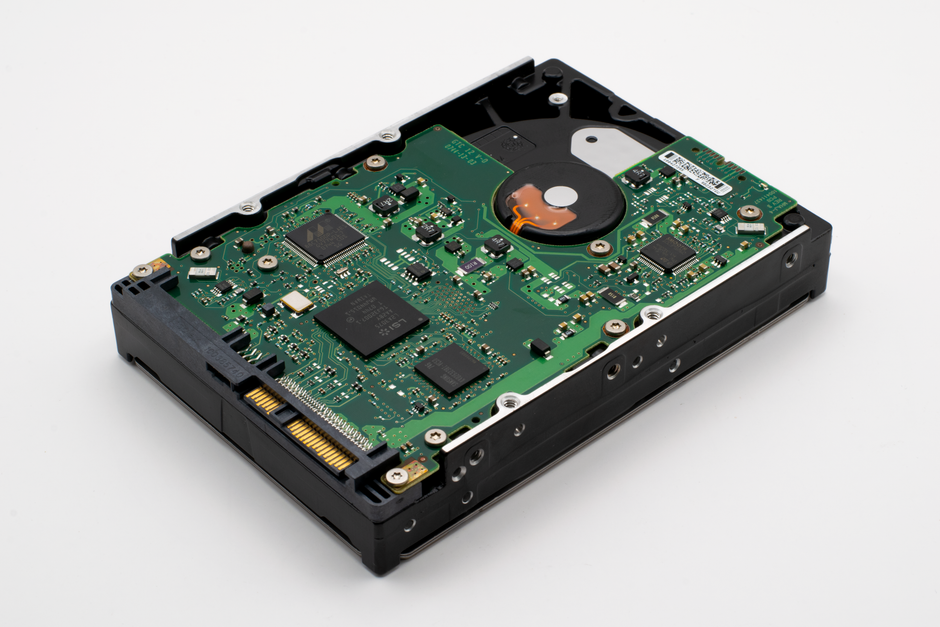
- Storage Media Deterioration: Physical media, such as hard drives and CDs, have limited lifespans and are susceptible to environmental factors.
Strategies for Effective Digital Preservation
To mitigate these challenges, organizations should adopt comprehensive digital preservation strategies, including:
1. Regular Data Migration
Shifting files from one storage medium to another and from older formats to current ones is essential. Doing this regularly ensures that files are accessible with modern technology and helps avoid obsolescence.
2. Use of Standard Formats
Opting for widely accepted file formats, such as TIFF for images or PDF/A for documents, can enhance compatibility and accessibility over time. These formats are less likely to become obsolete and are designed for long-term preservation.
3. Implementing Redundancy
Storing copies of files across multiple locations or platforms can protect against data loss. Cloud storage solutions offer an effective way to ensure redundancy, providing off-site backups that are secure and easy to access.
4. Metadata Management
Properly documenting files with metadata can significantly enhance their discoverability and usability in the future. Metadata should include information about the file's creation, format, and any changes made to it over time.
Technologies Supporting Digital Preservation
Several technologies are vital for effective digital preservation:
- Digital Archive Platforms: Utilizing dedicated software like archival management systems facilitates the organization, management, and preservation of digital assets.
- AI Tools: AI-driven solutions can assist in cataloging and organizing digital collections, making it easier to maintain and access files over long periods.
- Cloud Storage: Cloud-based archive management software can provide scalable solutions, ensuring that institutions can grow their storage needs without significant upfront investments.
Conclusion
Digital preservation is an essential practice for any organization dealing with digital content. By adopting effective strategies and leveraging modern technologies, institutions can ensure their digital files remain accessible and readable for generations. Embracing digital preservation not only safeguards valuable information but also enhances public engagement and facilitates ongoing research.
For organizations looking to implement effective archiving practices, consider exploring Archively AI, a powerful cloud archive management software designed to streamline your digital preservation efforts.

Photo by Jakub Zerdzicki on Pexels
Sources
Written by
Onboarding Team at Archively
Related articles
 Technology
File Format Obsolescence: How to Future-Proof Your Collection
File format obsolescence poses a significant risk to the integrity of digital archives. This article explores strategies to future-proof your collection against evolving technology.
Digital PreservationHow to Choose the Right Preservation File Formats: A Guide for Archivists
Selecting the appropriate preservation file formats is crucial for the long-term accessibility and integrity of digital collections. This guide explores key formats such as TIFF, PDF/A, and WAV, and provides insights into making the best choices for archival materials.
Digital ArchivesThe Complete Beginner's Guide to Digital Archive Management
Explore the essentials of digital archive management, including best practices, software solutions, and the transformative role of technology in preserving history.
ArchivesWhat Is Fixity Checking and Why Your Archive Needs It
Fixity checking is an essential process in digital preservation that ensures the integrity of data over time. This article explores what fixity checking is, its significance, and how archival institutions can implement this vital practice.
More from Archively
 Technology
How Small Archives Are Reaching Global Audiences Online
Explore how small archives leverage digital platforms to connect with global audiences, enhance visibility, and foster community engagement.
 Archive Management
Building an Archival Workflow: Accessioned to Published in 5 Stages
Learn how to transform your archival process from accessioning to publication through an efficient five-stage workflow.
 Archive Management
Crosswalking Metadata: Moving Collections Between Standards Without Losing Data
Learn how to effectively crosswalk metadata to seamlessly transfer collections between different standards while preserving data integrity.
 Archival Management
Seamlessly Importing Data from Google Drive, Box, and SharePoint into Your Archive
Explore effective strategies for importing data from popular cloud storage services like Google Drive, Box, and SharePoint into your archival management system.
Other blogs you may like
 Marketing
CrediBlog
Harnessing AI for Content Creation: Key Takeaways from the 'Is Thought Leadership Dead?' Webinar
This article summarizes the key insights from a webinar discussing the evolution of thought leadership in the age of AI, providing actionable strategies for marketers.
 Halal Food
Halal Nearby
The Future of Halal Food Discovery: Trends and Innovations
Explore the evolving landscape of halal food discovery with technology-driven solutions, market trends, and the rise of digital platforms.
 Business Technology
EZLineup
Enhancing Customer Waiting Experience with Intelligent Line Management Solutions
Explore how businesses can transform their customer waiting experiences through advanced line management solutions, ensuring efficiency and satisfaction.