
File Format Obsolescence: How to Future-Proof Your Collection
File format obsolescence poses a significant risk to the integrity of digital archives. This article explores strategies to future-proof your collection against evolving technology.

Understanding File Format Obsolescence
In the world of digital archiving, one of the most pressing concerns is file format obsolescence. As technology evolves, so do the formats used to store and access digital information. Files that were once easily accessible can quickly become unreadable due to changes in software, hardware, or industry standards.
File format obsolescence can lead to the loss of valuable information, making it vital for archives, libraries, and museums to adopt strategies that ensure the longevity of their collections. Without proactive measures, institutions risk losing their digital assets to technological advancements.
The Risks of Obsolescence
Many factors contribute to the risk of file format obsolescence:
- Software Updates: As programs update, older file formats may no longer be supported, making it difficult to access valuable data.
- Hardware Changes: Advancements in hardware can render certain file formats incompatible, leaving organizations scrambling to find solutions.
- Vendor Support: Software vendors may discontinue support for specific formats, leading to increased risk of data loss.
These risks highlight the importance of maintaining an awareness of the digital landscape and adapting accordingly.
Strategies for Future-Proofing Your Collection
To safeguard against file format obsolescence, consider employing the following strategies:
1. Regular Format Audits
Conducting regular audits of your digital collection can help identify at-risk file formats. By monitoring emerging trends and standards, organizations can prepare for inevitable changes. This proactive approach ensures that archives remain accessible and usable.
2. Use Industry-Standard Formats
Where possible, opt for widely adopted and documented file formats for your digital assets. Formats such as PDF/A for documents, TIFF for images, and WAV for audio files are less likely to face obsolescence due to their popularity and ongoing support.
3. Implement Migration Strategies
Establish a clear migration plan for your digital files. Regularly convert and update files to newer formats as technology advances. This not only preserves access to the content but also improves the quality of the files.
4. Utilize Archival Management Software
Investing in sophisticated archival management software can significantly enhance your organization’s ability to manage file formats effectively. Archively AI provides cloud-based solutions that assist in monitoring, migrating, and preserving digital collections, ensuring that your archives remain accessible.
5. Collaborate with Professional Organizations
Engaging with professional organizations dedicated to digital preservation can provide valuable insights and strategies. These groups often share best practices and resources for managing file format issues.
Conclusion
The threat of file format obsolescence is an ongoing challenge for archivists, librarians, and museum professionals. By being proactive and implementing strategic measures, organizations can effectively future-proof their collections against the rapid changes in technology. A combination of regular audits, the use of standard formats, migration strategies, robust archival management software, and collaboration with peers will reinforce the integrity of digital archives.
For more information on archival management software and how it can enhance your collection management, visit Archively AI.

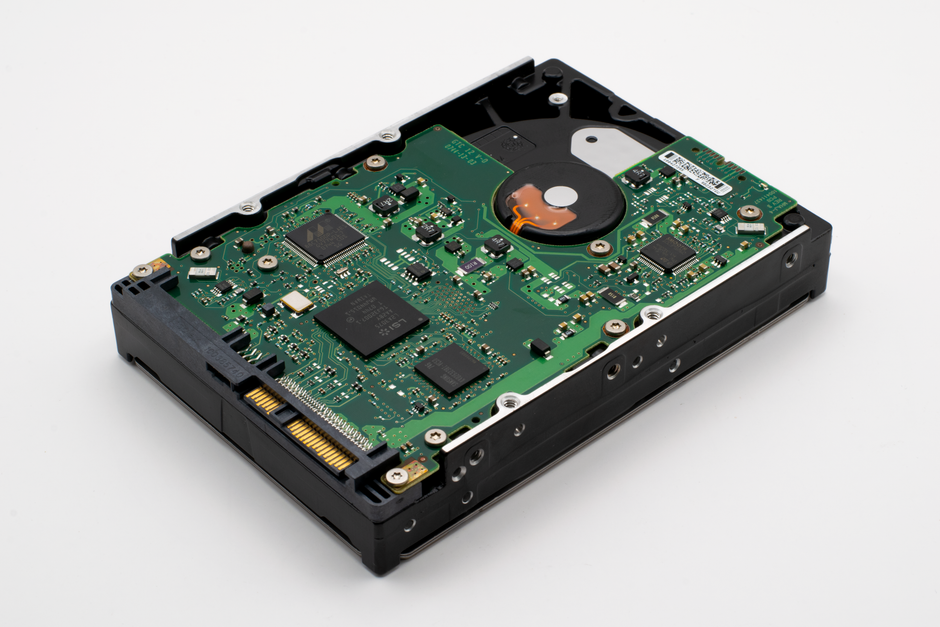
Photo by Tima Miroshnichenko on Pexels.
Related reading: Blog.
Sources
Written by
Onboarding Team at Archively
Related articles
 Technology
The Future of Archives: Trends Shaping Collection Management in 2027
As we approach 2027, the world of archival management is evolving rapidly. Discover the key trends that will shape the future of collection management, from AI integration to enhanced accessibility.
 Archives and Preservation
Digital Preservation Explained: Keeping Files Readable for 100 Years
Digital preservation is crucial for maintaining the accessibility of digital files over the long term. This article delves into the strategies and technologies that ensure files remain readable for generations.
Digital PreservationHow to Choose the Right Preservation File Formats: A Guide for Archivists
Selecting the appropriate preservation file formats is crucial for the long-term accessibility and integrity of digital collections. This guide explores key formats such as TIFF, PDF/A, and WAV, and provides insights into making the best choices for archival materials.
 Data Migration
Migrating Off Legacy Archive Software Without Losing Your Data
Transitioning from legacy archive software can be challenging, but with careful planning, you can ensure your data remains intact. Explore key strategies and best practices for a smooth migration.
More from Archively
TechnologyHow Small Archives Are Reaching Global Audiences Online
Explore how small archives leverage digital platforms to connect with global audiences, enhance visibility, and foster community engagement.
 Archive Management
Building an Archival Workflow: Accessioned to Published in 5 Stages
Learn how to transform your archival process from accessioning to publication through an efficient five-stage workflow.
 Archive Management
Crosswalking Metadata: Moving Collections Between Standards Without Losing Data
Learn how to effectively crosswalk metadata to seamlessly transfer collections between different standards while preserving data integrity.
 Archival Management
Seamlessly Importing Data from Google Drive, Box, and SharePoint into Your Archive
Explore effective strategies for importing data from popular cloud storage services like Google Drive, Box, and SharePoint into your archival management system.
Other blogs you may like
 Marketing
CrediBlog
Harnessing AI for Content Creation: Key Takeaways from the 'Is Thought Leadership Dead?' Webinar
This article summarizes the key insights from a webinar discussing the evolution of thought leadership in the age of AI, providing actionable strategies for marketers.
 Halal Food
Halal Nearby
The Future of Halal Food Discovery: Trends and Innovations
Explore the evolving landscape of halal food discovery with technology-driven solutions, market trends, and the rise of digital platforms.
 Business Technology
EZLineup
Enhancing Customer Waiting Experience with Intelligent Line Management Solutions
Explore how businesses can transform their customer waiting experiences through advanced line management solutions, ensuring efficiency and satisfaction.