
How Long Should You Keep Records? A Practical Retention Schedule Guide
Understanding how long to keep records is crucial for organizations. This guide explores the essentials of a records retention schedule and its importance for compliance and efficiency.

How Long Should You Keep Records? A Practical Retention Schedule Guide
In every organization, from libraries to museums and government entities, the effective management of records is essential. A well-structured records retention schedule helps organizations comply with legal requirements and promotes efficiency. This guide delves into the importance of understanding how long to keep records and how to establish a practical retention schedule.
The Importance of a Retention Schedule
A records retention schedule is a policy that outlines how long various types of documents should be kept, when they can be destroyed, and the manner of their destruction. Implementing a retention schedule helps organizations:
- Maintain Compliance: Many industries are governed by regulations that dictate record-keeping durations. A retention schedule ensures that organizations comply with these regulations.
- Enhance Efficiency: By knowing which records can be disposed of, organizations can free up storage space and improve operational efficiency.
- Mitigate Risk: Retaining records longer than necessary can lead to legal risks. Conversely, inadequate retention might result in compliance issues during audits.
- Improve Decision-Making: A structured approach to record-keeping allows organizations to make informed decisions based on historical data.
Determining Retention Periods
The duration for which records should be retained varies by type, organization, and regulations. Here are some common categories to consider when developing a retention schedule:
- Financial Records: Generally, financial records should be kept for a minimum of seven years. This includes tax records, payroll files, and bank statements.
- Personnel Records: Employee files should be retained for a minimum of five to seven years after an employee leaves the organization, depending on local regulations.
- Contracts and Agreements: Keep contracts for at least seven years after the contract term expires to address any potential disputes.
- Health Records: For healthcare organizations, patient records are usually required to be kept for at least six years after the last treatment date.
- Correspondence: Emails and other forms of correspondence should typically be retained for 1-3 years, unless they contain significant information that warrants a longer retention period.
Creating an Effective Retention Schedule
To create a retention schedule that meets the needs of your organization, follow these steps:
- Identify Record Types: Catalog all types of records that your organization manages, including electronic and paper documents.
- Research Regulations: Consult legal regulations, industry standards, and best practices to determine how long records must be retained.
- Consult Stakeholders: Engage with department heads and legal counsel to understand their perspectives on record retention needs.
- Document Retention Periods: Clearly document the retention periods for each type of record and establish a protocol for disposal.
- Review and Update Regularly: Periodically review the retention schedule to ensure it remains relevant and compliant with any changes in legislation or organizational needs.
Disposal of Records
Once records reach their retention period, disposing of them properly is imperative. Records can be destroyed through shredding, secure deletion for digital files, or other methods that prevent unauthorized access. Organizations must ensure that the disposal process is documented, and that sensitive information is protected to mitigate risks.
Conclusion
Understanding how long to keep records is crucial for organizations aiming for compliance and efficiency. A well-structured records retention schedule not only enhances operational effectiveness but also reduces legal risks associated with record-keeping. By employing a systematic approach to managing records, organizations can ensure that they are in line with regulatory requirements while also optimizing their resources.
For more resources on archival management and effective record-keeping solutions, explore our archive management software designed for libraries, museums, and government entities.
Stay organized, compliant, and efficient in your record-keeping practices!

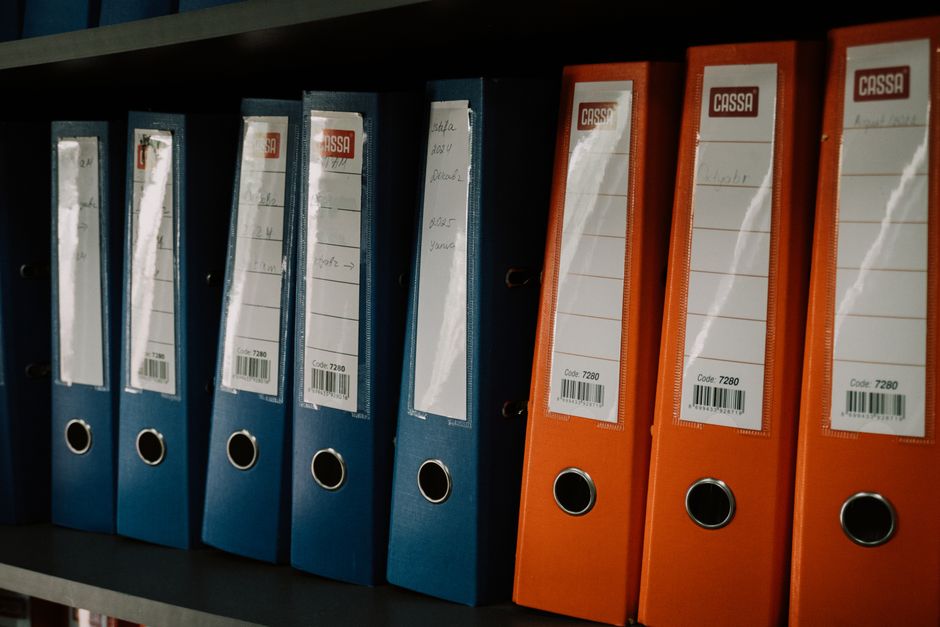
Photo by Leeloo The First on Pexels
Related reading: Privacy.
Sources
Written by
Onboarding Team at Archively
Related articles
 Records Management
Corporate Records Management: Turning Compliance Into a Searchable Asset
Discover how effective corporate records management can transform compliance requirements into a searchable, accessible asset for organizations.
 Archives and Preservation
Digital Preservation Explained: Keeping Files Readable for 100 Years
Digital preservation is crucial for maintaining the accessibility of digital files over the long term. This article delves into the strategies and technologies that ensure files remain readable for generations.
 Data Protection
GDPR and Personal Data in Archives: A Practical Compliance Guide
This article provides archivists with essential guidelines and best practices to ensure GDPR compliance when managing personal data in archives.
 Digital Archives
The Complete Beginner's Guide to Digital Archive Management
Explore the essentials of digital archive management, including best practices, software solutions, and the transformative role of technology in preserving history.
More from Archively
TechnologyHow Small Archives Are Reaching Global Audiences Online
Explore how small archives leverage digital platforms to connect with global audiences, enhance visibility, and foster community engagement.
 Archive Management
Building an Archival Workflow: Accessioned to Published in 5 Stages
Learn how to transform your archival process from accessioning to publication through an efficient five-stage workflow.
 Archive Management
Crosswalking Metadata: Moving Collections Between Standards Without Losing Data
Learn how to effectively crosswalk metadata to seamlessly transfer collections between different standards while preserving data integrity.
 Archival Management
Seamlessly Importing Data from Google Drive, Box, and SharePoint into Your Archive
Explore effective strategies for importing data from popular cloud storage services like Google Drive, Box, and SharePoint into your archival management system.
Other blogs you may like
 Halal Dining
Halal Nearby
Your Guide to Properly Reviewing a Halal Restaurant
Discover the essential elements to consider when reviewing a halal restaurant. From ambiance to food quality, this guide provides insights for an authentic dining experience.
 Business Technology
EZLineup
Enhancing Customer Waiting Experience with Intelligent Line Management Solutions
Explore how businesses can transform their customer waiting experiences through advanced line management solutions, ensuring efficiency and satisfaction.