
The Future of Archives: Trends Shaping Collection Management in 2027
As we approach 2027, the world of archival management is evolving rapidly. Discover the key trends that will shape the future of collection management, from AI integration to enhanced accessibility.

The Future of Archives: Trends Shaping Collection Management in 2027
As we approach the year 2027, the landscape of archives and collection management is undergoing significant transformations. With ongoing advancements in technology, libraries, museums, and government archives are adapting to meet the evolving needs of their users. This article explores some key trends that are likely to shape the future of archival management.
1. Increased Integration of Artificial Intelligence
AI technologies are set to revolutionize archival management. By 2027, we can expect more robust AI archive software that automates tasks such as metadata generation, classification, and even predictive analysis. Machine learning algorithms will facilitate the identification of patterns in collections, allowing archivists to better understand user engagement and preferences.
2. Enhanced Accessibility and User Experience
In an increasingly digital world, the demand for accessible archives is growing. Future archival management systems will prioritize user experience by offering intuitive interfaces and search functionalities. This includes mobile-friendly platforms and optimized content delivery that reaches diverse audiences, including individuals with disabilities. The emphasis will be on making archival materials available to a broader population through user-centric design.
3. Cloud-Based Solutions for Scalability
As the volume of digital assets continues to expand, cloud archive management software will become essential for scalability and flexibility. Archives will employ cloud solutions to store large datasets securely while providing remote access to users. The shift towards cloud-based systems allows for easier collaboration among institutions and researchers, leading to richer, more integrated collections.
4. Focus on Preservation and Sustainability
Sustainability is becoming a critical consideration in archival practices. By 2027, there will be a stronger focus on digital preservation strategies that not only safeguard the longevity of digital records but also consider the environmental impact of storage solutions. Institutions will seek eco-friendly technologies and practices to ensure that archiving efforts align with broader sustainability goals.
5. Collaborative and Community-Driven Collections
The future of archives will emphasize collaboration, with institutions increasingly working together to create shared collections. Community-driven initiatives will empower local contributions, allowing individuals and organizations to participate in the curation of archival materials. This trend fosters a sense of ownership and engagement with collections, enriching the cultural narrative.
6. Data-Driven Decision Making
As technological capabilities advance, data analytics will play a more prominent role in decision-making processes within archival institutions. Managers will rely on data insights to inform collection strategies, resource allocation, and user engagement practices. By leveraging analytics, institutions can tailor their offerings to better serve their communities.
Conclusion
As we look towards 2027, the future of archives promises exciting developments driven by technology and a commitment to accessibility, sustainability, and collaboration. By embracing these trends, institutions can enhance their archival management practices, ensuring that valuable cultural heritage is preserved and accessible for generations to come. For those seeking to modernize their archival processes, Archively.AI offers comprehensive solutions in archive management software that align with these emerging trends.
To learn more about how Archively.AI can help you navigate the changing landscape of archival management, visit our About page or explore our collections management system.

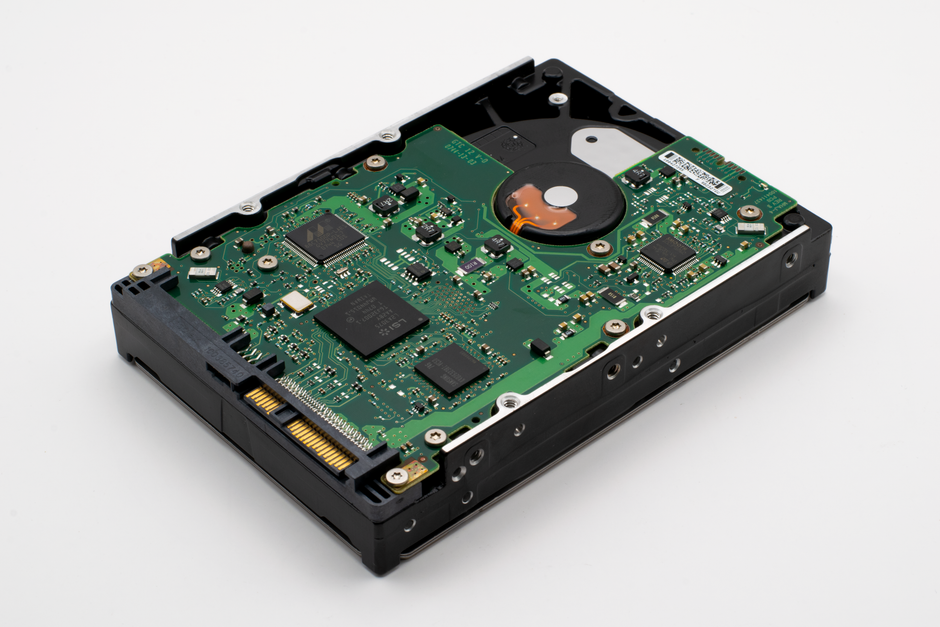
Photo by Tima Miroshnichenko on Pexels
Written by
Onboarding Team at Archively
Related articles
 Technology
How AI Is Transforming Archival Cataloging in 2026
Explore the transformative impact of artificial intelligence on archival cataloging in 2026, focusing on enhanced efficiency, accuracy, and accessibility in archival management.
 Technology
File Format Obsolescence: How to Future-Proof Your Collection
File format obsolescence poses a significant risk to the integrity of digital archives. This article explores strategies to future-proof your collection against evolving technology.
 Software Comparison
Best Digital Archive Software for Museums in 2026: A Comprehensive Comparison Guide
Explore the best digital archive software options for museums in 2026. This guide covers features, pricing, and suitability for varying museum needs.
 Technology
Archive Management Software for Universities: What to Look For
Discover essential features and benefits of archive management software tailored for universities. Learn how these systems can enhance your archival practices and ensure the preservation of institutional knowledge.
More from Archively
TechnologyHow Small Archives Are Reaching Global Audiences Online
Explore how small archives leverage digital platforms to connect with global audiences, enhance visibility, and foster community engagement.
 Archive Management
Building an Archival Workflow: Accessioned to Published in 5 Stages
Learn how to transform your archival process from accessioning to publication through an efficient five-stage workflow.
 Archive Management
Crosswalking Metadata: Moving Collections Between Standards Without Losing Data
Learn how to effectively crosswalk metadata to seamlessly transfer collections between different standards while preserving data integrity.
 Archival Management
Seamlessly Importing Data from Google Drive, Box, and SharePoint into Your Archive
Explore effective strategies for importing data from popular cloud storage services like Google Drive, Box, and SharePoint into your archival management system.
Other blogs you may like
 Marketing
CrediBlog
Harnessing AI for Content Creation: Key Takeaways from the 'Is Thought Leadership Dead?' Webinar
This article summarizes the key insights from a webinar discussing the evolution of thought leadership in the age of AI, providing actionable strategies for marketers.
 Halal Food
Halal Nearby
The Future of Halal Food Discovery: Trends and Innovations
Explore the evolving landscape of halal food discovery with technology-driven solutions, market trends, and the rise of digital platforms.
 Business Technology
EZLineup
Enhancing Customer Waiting Experience with Intelligent Line Management Solutions
Explore how businesses can transform their customer waiting experiences through advanced line management solutions, ensuring efficiency and satisfaction.