
Understanding ISAD(G): A Comprehensive Guide to Archival Description
Explore the ISAD(G) framework in this plain-English guide, designed to clarify archival description for archivists and institutions alike.

Understanding ISAD(G): A Comprehensive Guide to Archival Description
The International Standard Archival Description (General) or ISAD(G) is a cornerstone of archival science, providing a framework that enhances the consistency and quality of archival description. This standard is crucial for archivists and institutions as it helps in organizing, maintaining, and accessing archival materials efficiently.
What is ISAD(G)?
ISAD(G) was developed by the International Council on Archives (ICA) to standardize the way archives are described. It aims to provide a clear and uniform way to present information about archival materials so that users can easily understand and locate the items they need. ISAD(G) is widely accepted globally and serves as a guiding principle for archival institutions.
The Structure of ISAD(G)
ISAD(G) consists of a series of elements that provide a comprehensive description of archival materials. These elements are categorized into different levels of description:
- Identifier: A unique code that identifies the archival unit.
- Title: The name of the archival unit, which serves as a primary point of reference.
- Dates: This includes the creation date of the material, as well as other significant dates.
- Level of description: Indicates whether the description pertains to an entire collection, a specific item, or something in between.
- Extent and medium: Details about the physical characteristics of the materials, such as volume and format.
- Administrative history: Provides context about the creator of the material, including any relevant background information.
- Scope and content: A summary of the content of the materials, outlining their significance and context.
- Conditions of access and use: Information on how users can access and utilize the materials.
- Related units of description: Links to other relevant archival materials that users may find useful.
- Notes: Any additional information that may be relevant to the description.
Why is ISAD(G) Important?
Using ISAD(G) enhances the usability and accessibility of archival materials. By adhering to this standard, archivists ensure that users can find and understand the materials available to them. It not only improves the searchability of archival collections but also facilitates the sharing of information between different institutions.
Repositories that adopt ISAD(G) can expect to see improved discoverability of their materials, leading to increased usage and engagement from the public. Furthermore, it can foster collaboration among institutions, as a common standard paves the way for better communication and data sharing.
Implementing ISAD(G) in Your Institution
For institutions looking to implement ISAD(G), it’s essential to provide training for staff who will be working with archival descriptions. This includes understanding how to compile the necessary information accurately and consistently. Additionally, integrating ISAD(G) into existing archival management software can streamline the process and improve efficiency.
Many archival management systems today, such as Archively AI, offer features that support ISAD(G) compliance, making it easier for institutions to adopt this standard while managing their collections effectively.
Conclusion
ISAD(G) is more than just a set of guidelines; it is a vital tool that empowers archivists and institutions to present their collections coherently and accessibly. By embracing ISAD(G) and incorporating it into their practices, institutions can enhance the visibility and utility of their archival materials, contributing to a more informed public and richer historical understanding.
If you are interested in optimizing your archival management practices, consider exploring modern solutions like cloud archive management software to help streamline your processes and comply with standards like ISAD(G).
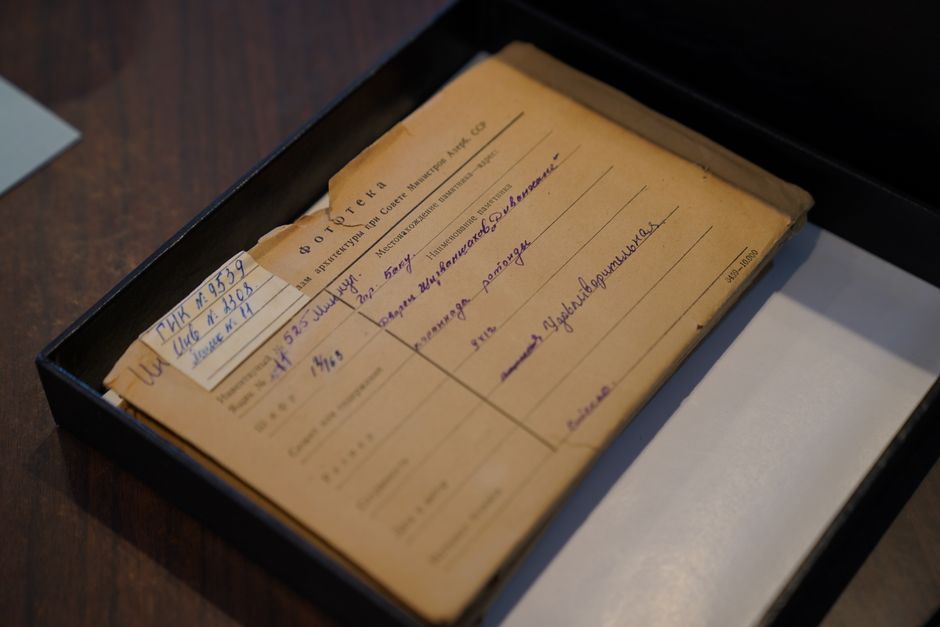
Photo by Tahir Xəlfə on Pexels.
Sources
Written by
Onboarding Team at Archively
Related articles
Archival ManagementEnhancing Archival Descriptions for Improved Research Accessibility
Discover how to craft better archival descriptions that enhance discoverability and utility for researchers, leveraging best practices and modern tools.
 Data Protection
GDPR and Personal Data in Archives: A Practical Compliance Guide
This article provides archivists with essential guidelines and best practices to ensure GDPR compliance when managing personal data in archives.
 Digital Archives
The Complete Beginner's Guide to Digital Archive Management
Explore the essentials of digital archive management, including best practices, software solutions, and the transformative role of technology in preserving history.
 Archives Management
Making Archives Accessible: The Importance of WCAG, Alt Text, and Inclusive Descriptions
Accessibility in archives is more than a legal requirement; it's a commitment to inclusivity. Learn how WCAG guidelines, effective use of alt text, and thoughtful descriptions enhance access for all.
More from Archively
TechnologyHow Small Archives Are Reaching Global Audiences Online
Explore how small archives leverage digital platforms to connect with global audiences, enhance visibility, and foster community engagement.
 Archive Management
Building an Archival Workflow: Accessioned to Published in 5 Stages
Learn how to transform your archival process from accessioning to publication through an efficient five-stage workflow.
 Archive Management
Crosswalking Metadata: Moving Collections Between Standards Without Losing Data
Learn how to effectively crosswalk metadata to seamlessly transfer collections between different standards while preserving data integrity.
 Archival Management
Seamlessly Importing Data from Google Drive, Box, and SharePoint into Your Archive
Explore effective strategies for importing data from popular cloud storage services like Google Drive, Box, and SharePoint into your archival management system.
Other blogs you may like
 Halal Food Guide
Halal Nearby
Understanding Halal: What It Means for Food
A comprehensive guide to understanding the meaning of halal in food, its significance, and implications for dietary choices.
 Marketing
CrediBlog
Harnessing AI for Content Creation: Key Takeaways from the 'Is Thought Leadership Dead?' Webinar
This article summarizes the key insights from a webinar discussing the evolution of thought leadership in the age of AI, providing actionable strategies for marketers.